As Iran war stokes water security fears, Central Asia could turn to China
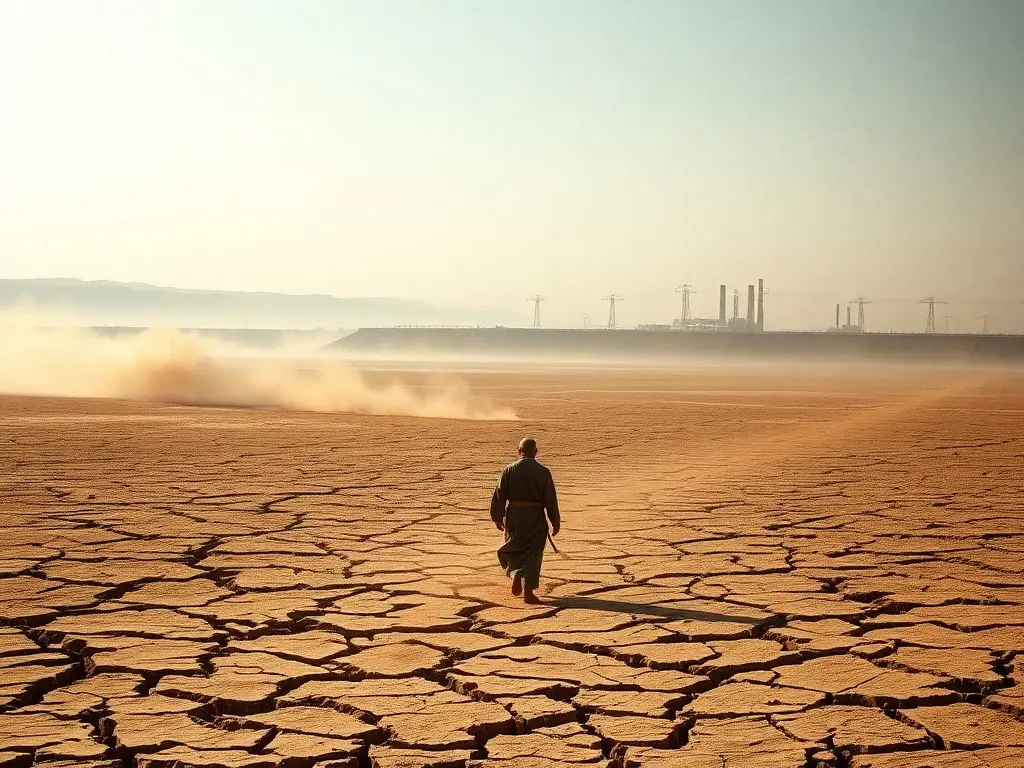
Central Asia’s worsening water shortages, exacerbated by Soviet-era mismanagement, climate change, and regional tensions, may push the region toward China for infrastructure support amid fears over global water security triggered by Iran’s war. The conflict has exposed vulnerabilities in Middle Eastern desalination plants, while Central Asia’s reliance on glacier-fed rivers and aging Soviet-era canals risks deepening instability in shared water resources like the Aral Sea basin and Fergana Valley.
Central Asia’s deepening water crisis—fueled by climate change, population growth, and neglected Soviet-era infrastructure—could accelerate the region’s shift toward China for strategic support. The Iran war has heightened global water security concerns, particularly after bombings damaged desalination plants in Iran, Bahrain, and Kuwait, threatening Middle Eastern supplies. Unlike Gulf states, Central Asia depends on glacier-fed rivers from the Tian Shan mountains, shared with China, but faces chronic shortages due to upstream-downstream disputes and shrinking water sources. The Soviet era worsened the crisis by diverting rivers to irrigate Uzbekistan’s cotton fields, nearly destroying the Aral Sea and leaving toxic deserts. Since gaining independence in 1991, tensions have flared between upstream nations like Kyrgyzstan and Tajikistan and downstream neighbors Kazakhstan, Turkmenistan, and Uzbekistan. In 2012, Uzbekistan retaliated against Tajikistan’s Rogun dam project by cutting off gas supplies, crippling its economy. The Fergana Valley, a divided agricultural heartland, remains a flashpoint, with clashes in 2021 killing 55 people and displacing 30,000 after border disputes over water infrastructure. Experts warn the Iran war could serve as a catalyst for Central Asia to modernize its water systems with Chinese assistance. Oleg Abdurashitov of Outpost Eurasia notes that climate change and urbanization are straining supplies, while glaciers—responsible for 80% of river flow—are shrinking. Jessica Neafie of Nazarbayev University suggests the conflict may not drastically alter regional policy but could prompt urgent discussions on water security. China’s expanding influence in Central Asia is already reshaping the region’s strategic orientation, offering alternatives to Western partnerships. Beijing has positioned itself as a key player in infrastructure projects, including irrigation modernization and dam construction, which could mitigate water disputes. However, reliance on China raises concerns about long-term sovereignty and debt dependency, as seen in Belt and Road Initiative projects across the region. The Aral Sea’s collapse remains a stark warning of the consequences of mismanaged water resources. With Soviet-era canals deteriorating and climate pressures intensifying, Central Asian nations face a critical choice: invest in sustainable solutions or risk further instability. The Iran war’s ripple effects on global supply chains and water infrastructure may force the region to prioritize security over historical grievances, potentially aligning more closely with China’s economic and political frameworks.
This content was automatically generated and/or translated by AI. It may contain inaccuracies. Please refer to the original sources for verification.