As Miami's World Cup games kick off, drone attacks are top concern
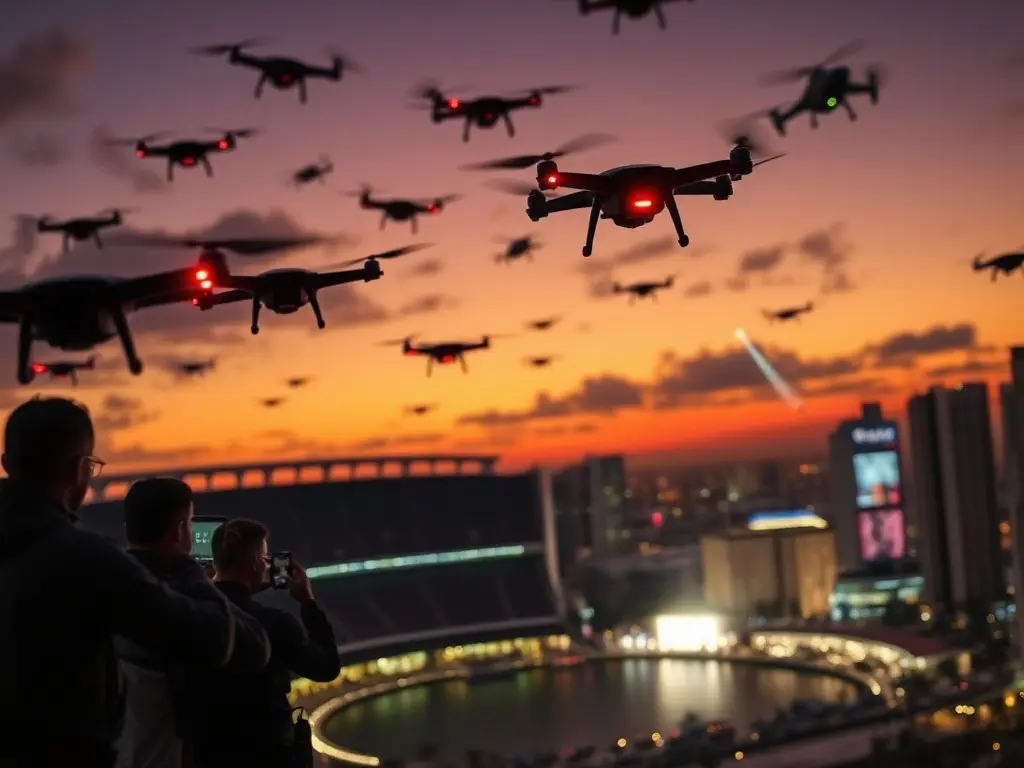
The FBI and FAA have established 'no drone zones' around Miami venues like Hard Rock Stadium for the 2026 World Cup, enforcing Temporary Flight Restrictions to prevent attacks by drones carrying explosives. Florida has allocated $105 million for security, including $15.5 million for anti-drone technology, while a Somali referee, Omar Artan, was denied entry to the U.S. due to vetting concerns at Miami International Airport.
The FBI and Federal Aviation Administration (FAA) are enforcing strict 'no drone zones' around World Cup venues in South Florida, including Hard Rock Stadium in Miami Gardens, which will host seven matches from June 11 to July 18. The first game, between Saudi Arabia and Uruguay, kicks off Monday, with other participating teams including Brazil, Colombia, Portugal, and Scotland. Authorities cite growing global threats from drones, including attacks in the Middle East and Ukraine, as the primary security concern, with public safety prioritized through specialized tools to intercept unauthorized drones. Temporary Flight Restrictions (TFRs) are in place to protect the venues, with violations punishable by civil fines up to $75,000, criminal fines up to $100,000, a year in prison, or drone seizure. The FBI’s Miami office, led by Special Agent Brett Skiles, emphasizes that agents have authority from the Department of Justice to mitigate drone threats. Devin Kowalski, an FBI assistant director, highlighted the increasing risk, stating that major events like the World Cup now operate in a 'drone environment' where surveillance is critical. Florida has allocated over $105 million for World Cup security, including $15.5 million for anti-drone technology that disrupts rather than shoots down unauthorized drones. The Federal Emergency Management Agency (FEMA) has also awarded $250 million for drone security across the 11 states and Washington D.C. hosting matches. Despite these measures, the event has faced controversy, notably after Somali referee Omar Artan was denied entry to the U.S. due to vetting concerns at Miami International Airport on June 6. The incident involving Artan underscores broader immigration tensions surrounding the tournament. A recent example of drone-related disruptions occurred during the 2025 Ravens-Steelers NFL playoff game in Baltimore, where an unregistered drone forced a temporary halt to play. Authorities stress that while attacks on sporting events remain rare, the potential for drone threats necessitates heightened vigilance. The combination of technological countermeasures and law enforcement coordination aims to ensure the safety of players, spectators, and the broader public during the high-profile games.
This content was automatically generated and/or translated by AI. It may contain inaccuracies. Please refer to the original sources for verification.