Assembly passes Barrett-backed bill on AI data center pause
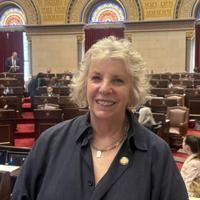
New York State passed a one-year moratorium on new AI data centers, sponsored by Assemblymember Didi Barrett, to study impacts on energy, water, and communities. The Responsible Data Center Development Act requires public input, renewable energy standards, and labor protections for construction workers.
New York State’s Assembly and Senate approved a bill on June 4 imposing a one-year moratorium on new AI data centers, backed by Assemblymember Didi Barrett (D-106). The legislation, called the Responsible Data Center Development Act, targets 'hyperscale' facilities consuming up to 20 megawatts, with 28 such projects planned across the state, according to state Sen. Kristen Gonzalez. The pause aims to allow New York to evaluate best practices from other states while addressing concerns like water contamination, energy costs, and community impacts. The bill includes provisions to separate data center energy pricing from residential and small business rates, ensuring utilities reflect the facilities’ grid demands. It also establishes a new water rate class for data centers and mandates public comment periods on permits. Key components of the legislation include renewable energy requirements, labor standards with prevailing wage and apprenticeship rules, and reinvestment obligations for host communities. Barrett emphasized transparency, noting that affected residents should be informed about potential noise, water, or other disruptions. The bill also prioritizes domestic manufacturing by requiring companies to 'buy American' for construction materials. The legislation was finalized in days before the legislative session ended, with Gov. Kathy Hochul’s signature pending. Barrett stated the moratorium is intended as a one-year study period, though future extensions remain uncertain. The law will require data center operators to engage with local communities and address environmental and economic concerns before proceeding with construction.
This content was automatically generated and/or translated by AI. It may contain inaccuracies. Please refer to the original sources for verification.