Ballot shortage cases reach South Korea's Constitutional Court
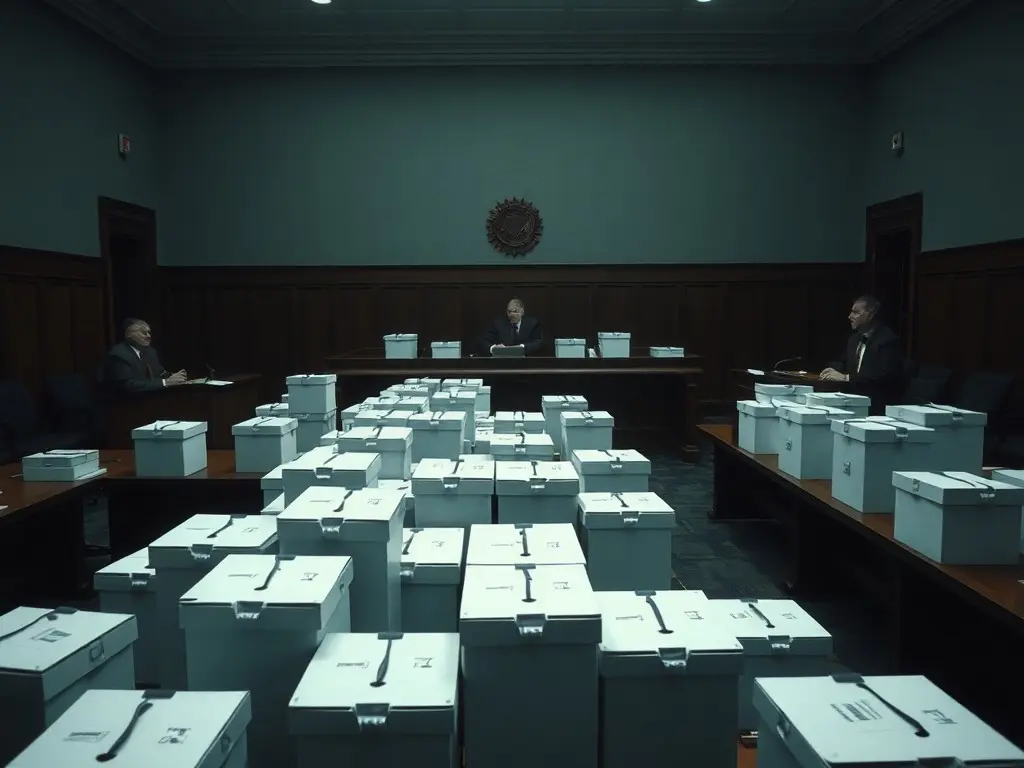
Two constitutional complaints were filed in South Korea’s Constitutional Court over ballot shortages during the June 3 local elections, with voters arguing their rights were violated by the National Election Commission’s failure to provide enough ballots. The court will review whether the issue constitutes an administrative error and could lead to state compensation claims or challenges to election results.
South Korea’s Constitutional Court is reviewing two constitutional complaints filed over ballot shortages during the June 3 local elections, which voters argue violated their right to participate. The petitions, including one from a citizen seeking confirmation that the shortage was unconstitutional, claim the National Election Commission failed to prepare sufficient ballots, depriving voters of their one-time opportunity to cast ballots. The court will first assess whether the complaints meet legal requirements, with a panel of three justices determining admissibility before referring them to the full bench of nine justices. The central question is whether the commission’s failure to secure ballots in time qualifies as an administrative omission under the Constitution. Legal experts suggest a violation of basic rights may be recognized, as voters were denied their voting opportunity, though no clear precedent exists. The court may instead direct voters to pursue administrative litigation first. However, the issue could expand into state compensation claims or lawsuits seeking to invalidate election results, as protesters in Jamsil continue demanding a new election. Attorney Kim So-yeon of Will Law Office stated that voters’ rights were violated and that no remedy can restore the lost voting opportunity, leaving only follow-up measures like state compensation. The court’s decision remains uncertain, but the case could set a precedent for future election disputes in South Korea.
This content was automatically generated and/or translated by AI. It may contain inaccuracies. Please refer to the original sources for verification.