Banda 48°C: India’s Heatwave Crisis Highlights Rising Climate Vulnerability
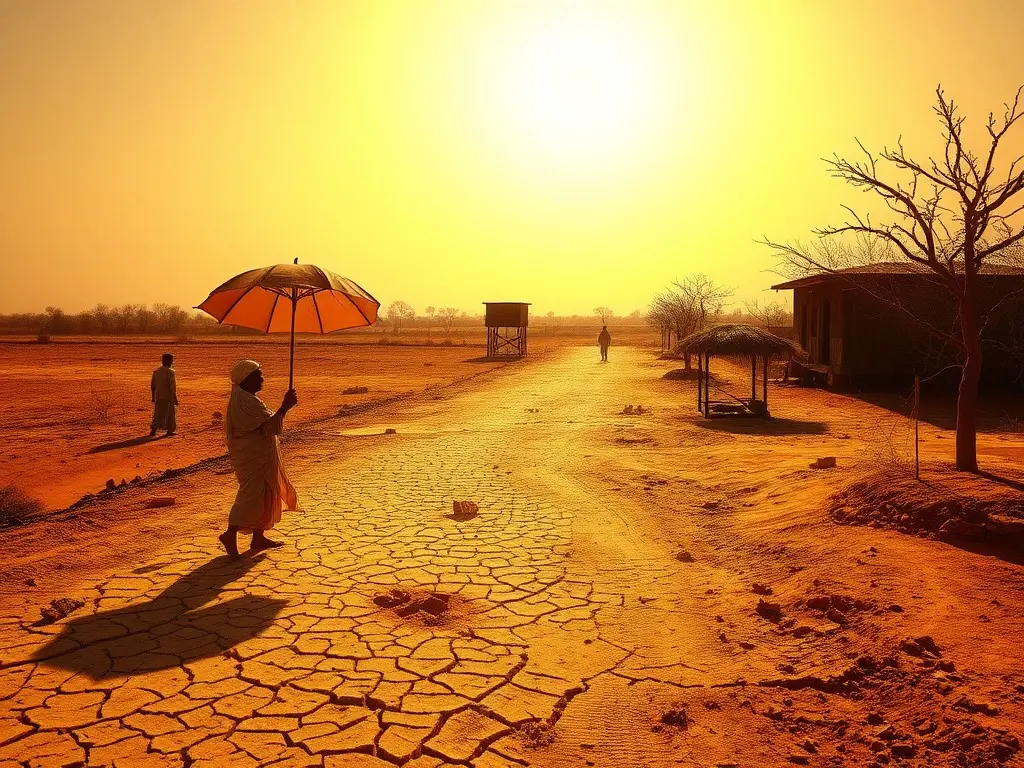
Uttar Pradesh’s Banda district recorded India’s highest temperature at 48 degrees Celsius on Wednesday, as a severe heatwave swept across north and central India, prompting warnings from the India Meteorological Department (IMD) and raising concerns over health risks and climate change impacts. The crisis has disrupted daily life, with reports of empty streets, health emergencies, and experts linking the extreme heat to environmental degradation and shrinking green cover in the drought-prone Bundelkhand region.
Uttar Pradesh’s Banda district hit 48 degrees Celsius on Wednesday, marking India’s highest temperature and triggering severe heatwave warnings from the India Meteorological Department (IMD). The extreme heat has forced residents, laborers, and farmers to adapt to dangerous conditions, including water scarcity and disrupted daily routines. Videos from Banda show deserted roads, exhausted workers, and residents covering themselves completely to avoid the sun, with some calling the district 'India’s furnace.' The heatwave extends beyond Banda to districts like Jhansi, Prayagraj, Hamirpur, Agra, and Chitrakoot, where temperatures also surpassed 45 degrees Celsius. The IMD classified conditions as 'severe heatwave' and advised avoiding direct sunlight during peak afternoon hours. Unusually warm nights are preventing people’s bodies from recovering, increasing risks of dehydration, heat exhaustion, and heatstroke, particularly for vulnerable groups like outdoor laborers, children, and the elderly. Banda’s geography—rocky terrain, water scarcity, and sparse vegetation—makes it highly vulnerable to extreme heat, according to weather experts. Factors like dry northwesterly winds, reduced cloud cover, and weak pre-monsoon rainfall have intensified this year’s heatwave. Environmental degradation and shrinking tree cover have further reduced the region’s natural cooling ability, worsening the crisis. Climate experts warn that India’s heatwaves are becoming more frequent, intense, and prolonged due to climate change. Research indicates rising temperatures are already affecting agriculture, water availability, public health, and labor productivity in Uttar Pradesh. The heatwave is seen as a sign of a deepening climate crisis, with experts emphasizing the need for urgent action to mitigate future risks. Daily wage workers, many of whom cannot afford to stay indoors, are particularly affected. Reports show laborers wrapping wet cloth around their heads, drinking saltwater solutions, and seeking brief shade under trees or flyovers. Hospitals across north India have seen an increase in heat-related illnesses as temperatures remain dangerously high, highlighting the human cost of the crisis. The IMD has cautioned that such extreme conditions may persist in the coming days, urging residents to stay hydrated, avoid outdoor exposure, and seek medical help if symptoms of heat-related illnesses appear. The situation underscores the growing vulnerability of India’s population to climate-induced disasters.
This content was automatically generated and/or translated by AI. It may contain inaccuracies. Please refer to the original sources for verification.