Bangkok set to be SE Asia's hottest major city by 2050
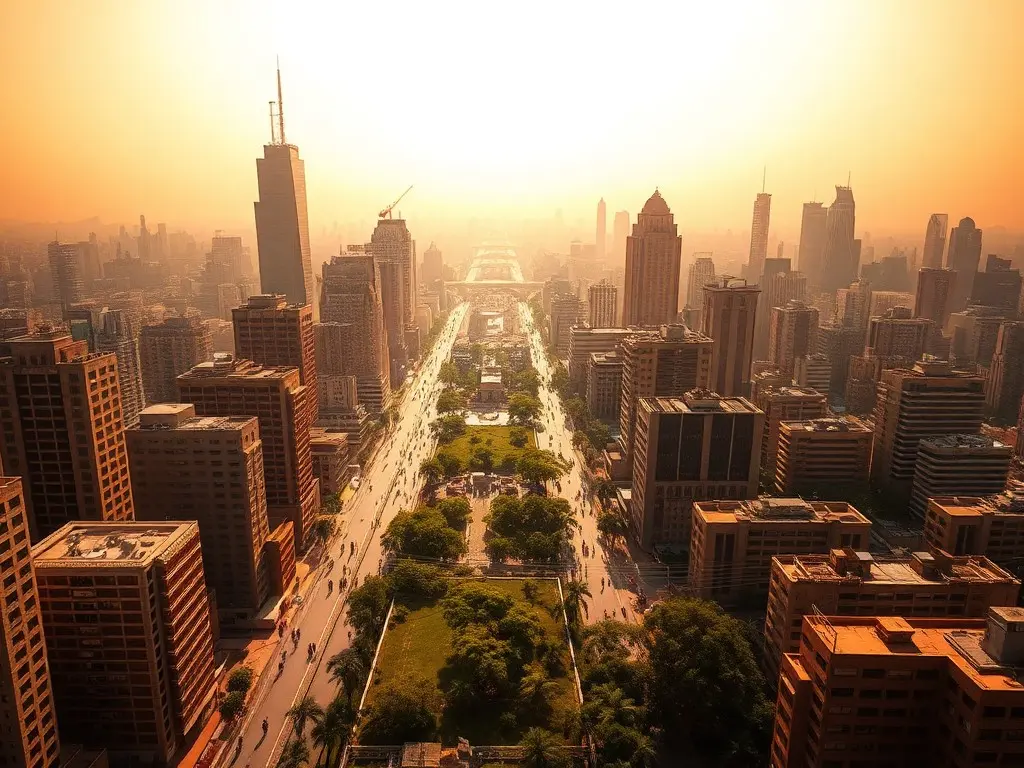
Bangkok is projected to become Southeast Asia's hottest major city by 2050, with extreme heat days rising from 45 to 120 annually and average daily temperatures reaching 38.1°C, according to a report by the ASEAN Centre for Energy. The study highlights the severe risks to public health, infrastructure, and the economy, driven by climate change and rapid urbanization, while emphasizing the need for green spaces and passive cooling solutions.
Bangkok is expected to surpass other major Southeast Asian cities as the region’s hottest by 2050, with temperatures exceeding 38°C and extreme heat days increasing from 45 to 120 per year, according to the ASEAN Centre for Energy’s *Roadmap for Extreme Heat Protection through Passive Cooling in ASEAN Region*. The report warns that Thailand’s capital will face nearly three times more days above 35°C by midcentury, up from 33.3°C in 2000, while cities like Ho Chi Minh City and Manila also experience severe heat but to a slightly lesser degree. Urbanization and climate change are the primary drivers of this crisis, with Bangkok’s concrete-heavy landscape exacerbating the urban heat island effect. Dense city centers can be up to 3°C hotter than greener outskirts, increasing health risks like heatstroke and chronic fatigue while straining public health systems. The report estimates economic losses could hit 6% of the city’s gross product by 2050 if no adaptation measures are taken, particularly affecting outdoor workers and low-income households. Rising energy costs are another concern, with 90% of surveyed households reporting 10–50% higher electricity bills during heatwaves. Heavy air conditioning use worsens the problem by trapping heat outdoors, creating a self-reinforcing cycle. Experts stress the need for cooling shelters, public alerts, and expanded green spaces to mitigate risks, as current policies lag behind the escalating threat. Pornphrom Vikitsreth, Bangkok’s chief sustainability officer, urged immediate action to preserve and expand green areas, calling it a low-cost but high-impact solution. Peeranan Towashiraporn of the Asian Disaster Preparedness Center (ADPC) emphasized treating heat as a disaster rather than a seasonal issue, advocating for integrated urban planning with passive cooling techniques like natural ventilation and tree shade. The report concludes that proactive measures are critical to protecting Bangkok’s residents and economy, as unchecked heat could push the city beyond its capacity to cope.
This content was automatically generated and/or translated by AI. It may contain inaccuracies. Please refer to the original sources for verification.