Bangladesh grapples with fuel crunch as West Asia war drives up energy costs
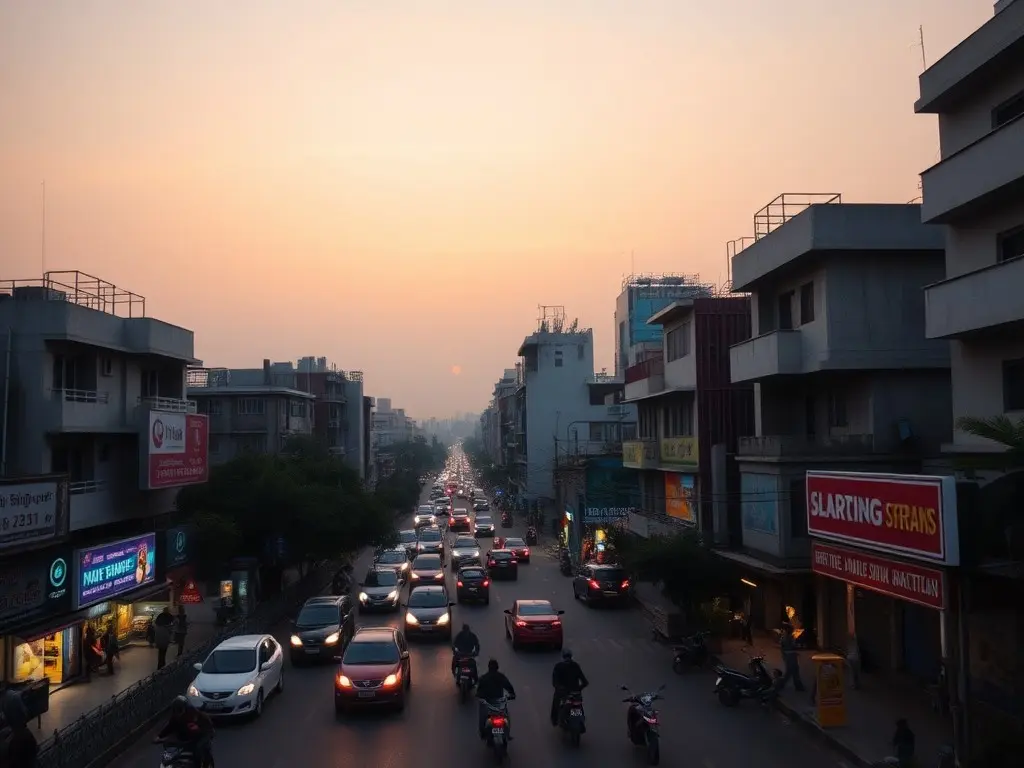
Bangladesh faces severe fuel shortages and soaring energy costs due to the war in West Asia, disrupting daily life, industrial output, and economic growth. The government is imposing austerity measures, expecting $1.07 billion in additional LNG subsidies for April-June 2024, while the World Bank warns of slowed growth to 3.9% and rising inflation.
Bangladesh is struggling with fuel shortages and rising energy costs caused by the war in West Asia, which has crippled daily life and industrial production. Tariqul Islam, a 53-year-old ride-sharing driver in Dhaka, has seen his income plummet due to long fuel queues, forcing him to idle his bike for days. The crisis has worsened household budgets, with the government reporting increased LNG subsidies of $1.07 billion for the April-June quarter if global prices stay high. The country’s economy is heavily dependent on imported fuel, and disruptions have led to power cuts in industrial zones and the shutdown of fertilizer factories to prioritize gas for power plants. Fuel rationing and restricted mall hours have been introduced as part of austerity measures. The Asian Development Bank revised its growth forecast for developing Asia and the Pacific downward to 4.7% in 2026, citing war-driven energy disruptions and inflation rising to 5.2%. The World Bank expects Bangladesh’s growth to slow to 3.9% in the fiscal year ending June 2026, warning that prolonged conflict could worsen inflation, widen the current account deficit, and strain public finances. Jean Pesme, the World Bank’s division director for Bangladesh and Bhutan, highlighted pre-existing economic vulnerabilities and cautioned against raising fuel prices further, as it could harm farmers and agriculture. Bangladesh has sought additional fuel supplies from India, which has diversified its sources, including from Russia. However, the strain on finances persists, with global lenders urging caution. Many citizens, like Islam, fear the situation may force them to abandon urban livelihoods and return to rural areas if the crisis continues.
This content was automatically generated and/or translated by AI. It may contain inaccuracies. Please refer to the original sources for verification.