Beavers Are Ecosystem Engineers—and They Might Be Helpful Allies in the Fight Against Human-Caused Climate Change
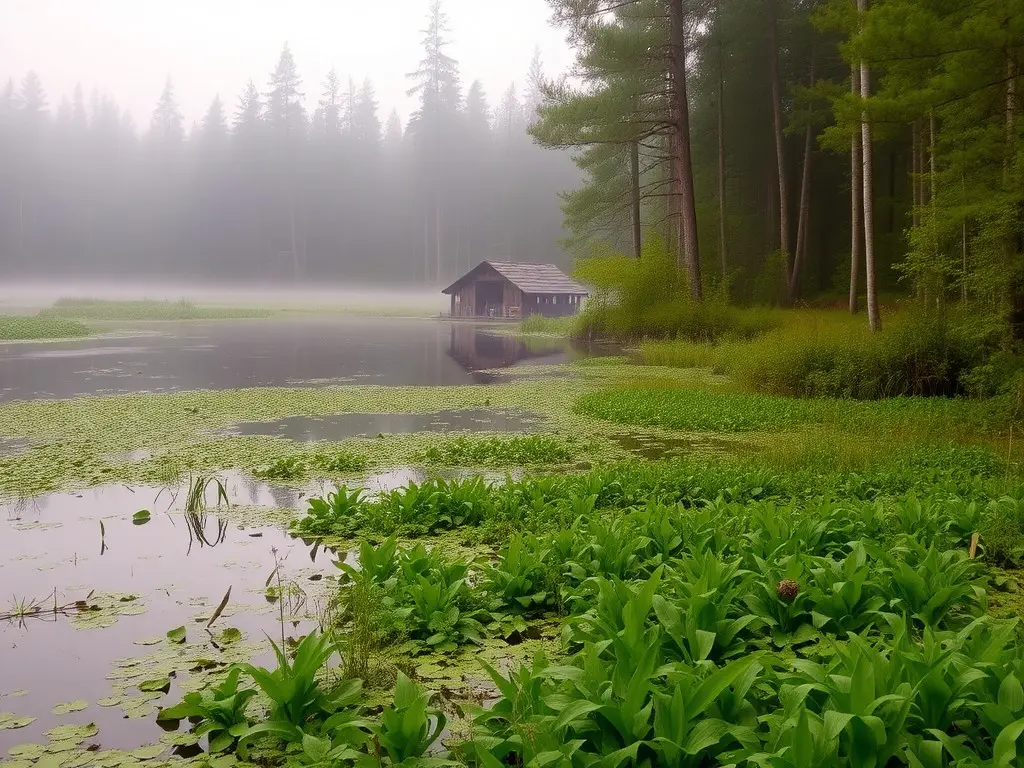
A new study found that beaver-created wetlands can act as carbon sinks, storing more carbon dioxide than they emit. The research was conducted in a stream in northern Switzerland where Eurasian beavers had established a wetland.
Beavers can help transform stream corridors into carbon sinks, storing more carbon dioxide than they emit, according to a study published in Communications Earth and Environment. The research was conducted in a roughly half-mile section of a stream in the Rhine River basin in northern Switzerland. The team created a comprehensive 'carbon budget' by measuring the full carbon balance of the beaver-created wetland between January 2022 and January 2023. Data was collected from three spots along the river: upstream and downstream of the dammed area, and within the beaver-modified area. Beavers likely won't solve the climate crisis on their own but may support broader efforts to mitigate climate change. Eurasian beavers were once abundant across Europe but were overhunted, causing their numbers to plummet. They have since made a significant recovery, with an estimated 1.5 million mature individuals now roaming across Europe.
This content was automatically generated and/or translated by AI. It may contain inaccuracies. Please refer to the original sources for verification.