Beyond Mayawati: Why Uttar Pradesh's 4 Crore Dalit Voters Could Decide The 2027 Election
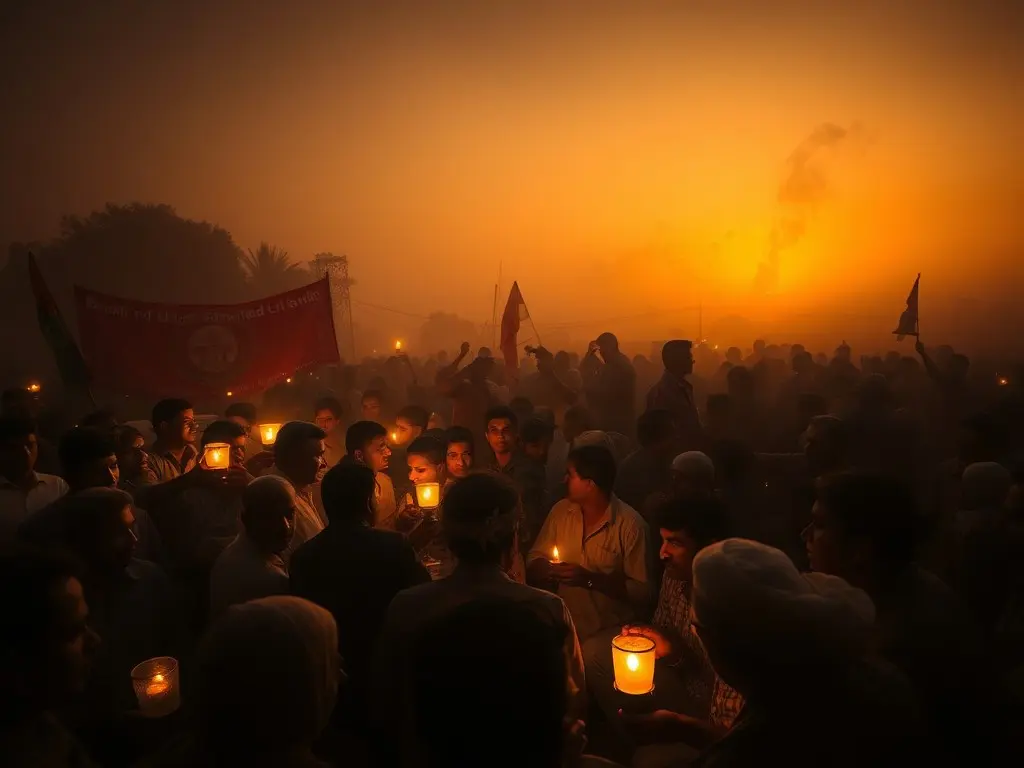
Uttar Pradesh’s 4 crore Dalit voters, making up 21% of the state’s population, are critical to the 2027 election, as the BJP, SP, and BSP compete for their support after shifts in caste-based political alliances. The BJP’s dominance among non-Jatav Dalits has weakened, with the SP-led INDIA bloc gaining ground in reserved constituencies during the 2024 Lok Sabha elections.
Uttar Pradesh’s 2027 assembly elections hinge on the battle for Dalit votes, with over 4 crore Scheduled Castes—21% of the state’s population—holding 85 of the 403 reserved seats. While the BSP once dominated Dalit politics under Mayawati, the BJP has expanded its influence among non-Jatav Dalits since 2014 through welfare schemes and targeted outreach, though recent setbacks in the 2024 Lok Sabha elections reveal cracks in this support. The BJP’s tally in UP plummeted from 62 seats in 2019 to 33 in 2024, with losses concentrated in reserved constituencies, where it won only 8 of 17 seats. Analysts link this shift to a consolidation of Dalits, backward castes, and Muslims behind the SP-led INDIA bloc, signaling voter fatigue with the BJP’s Hindutva-driven welfare approach. The Samajwadi Party (SP) is now pushing its PDA (Pichhda, Dalit, Alpsankhyak) formula to rebuild a backward-Dalit-minority coalition, while the BJP continues aggressive outreach. Political analyst Prof Shashikant Pandey of Dr Bhimrao Ambedkar University notes the 2027 election may see a sharp caste realignment, with competition now centered on dignity, welfare, and representation. Dalit politics in UP has evolved beyond BSP vs. others, as parties vie for influence in villages, caste organizations, and WhatsApp groups. The BJP’s post-2024 losses highlight the need for a recalibrated strategy, while the SP seeks to revive social justice narratives. With no party able to ignore the Dalit vote, the 2027 polls will test how effectively these shifts translate into electoral gains.
This content was automatically generated and/or translated by AI. It may contain inaccuracies. Please refer to the original sources for verification.