Blue Origin’s rocket explosion leaves NASA leaning harder on SpaceX, and the Moon race suddenly looks less balanced than planned
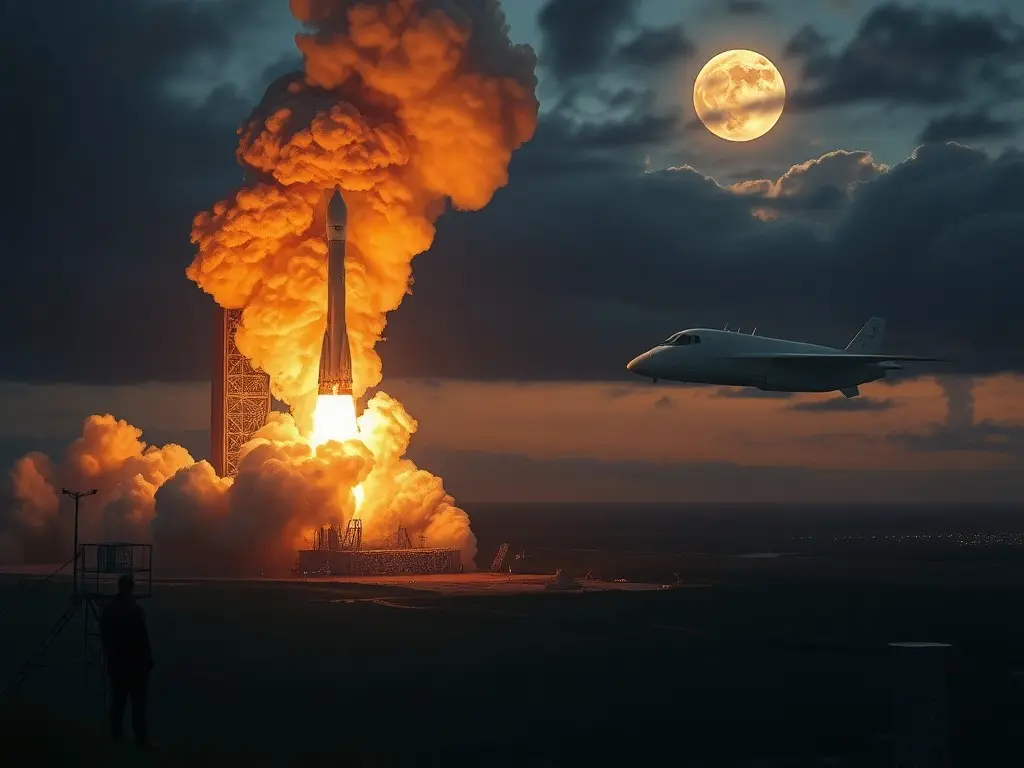
Blue Origin’s New Glenn rocket suffered an ‘anomaly’ during a May 28 hotfire test in Florida, potentially delaying its lunar lander program and increasing NASA’s reliance on SpaceX for Artemis missions. The incident raises concerns about NASA’s backup plans, as SpaceX’s Starship program advances alongside a planned $135 billion IPO, while environmental impacts of increased launches remain under scrutiny.
Blue Origin confirmed an ‘anomaly’ during a May 28 hotfire test of its New Glenn rocket at Florida’s Launch Complex 36, with no injuries but possible debris washing ashore. The company reported damage to the launchpad’s support tower and infrastructure, though propellant and fuel systems remained intact. The setback threatens Blue Origin’s role in NASA’s Artemis program, where its Blue Moon lander was selected in 2023 under a $3.4 billion contract for future lunar missions. NASA’s Artemis III mission, targeting a crewed lunar landing in early 2028, depends on commercial landers, including SpaceX’s Starship, which secured a $2.89 billion contract in 2021. Delays to New Glenn could push Blue Moon’s development further behind, reducing redundancy in NASA’s backup plans. SpaceX, meanwhile, has already demonstrated rapid launch cadence—170 missions in 2025—and is preparing for a potential $135 billion IPO, reflecting its dominance in the evolving space economy. The incident also highlights environmental concerns tied to increased space activity. Rocket launches contribute to stratospheric soot emissions, which may disrupt atmospheric chemistry, while debris risks affect coastal communities. Blue Origin warned the public to avoid and report any debris from the accident. Scientists continue studying the broader ecological impact of a more crowded launch schedule, including emissions and orbital debris management. Beyond technical and environmental challenges, the setback underscores the competitive dynamics of NASA’s lunar ambitions. SpaceX’s aggressive timeline and Wall Street ambitions contrast with Blue Origin’s slower progress, raising questions about whether Artemis’ two-lander strategy can remain viable. The accident forces NASA to reassess timelines and dependencies as it balances commercial partnerships with mission-critical deadlines.
This content was automatically generated and/or translated by AI. It may contain inaccuracies. Please refer to the original sources for verification.