BMW's Electric M3 Will Replace Carbon Fiber With Natural Fiber Materials For Sustainability
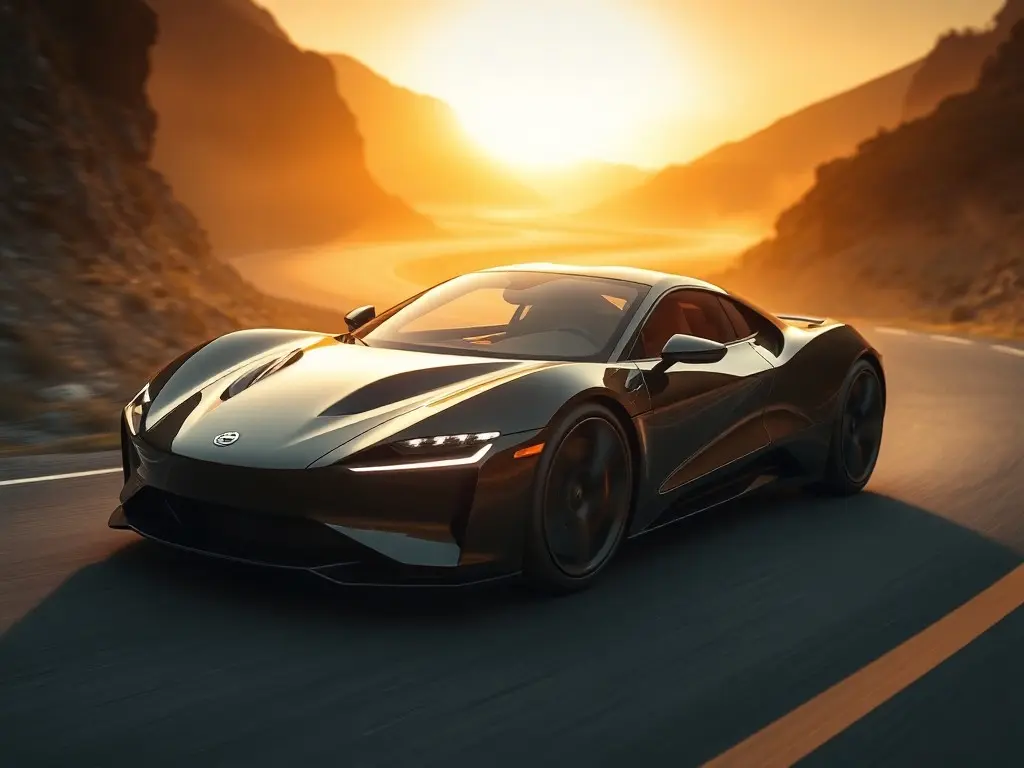
BMW will use natural-fiber composites instead of carbon fiber in its upcoming electric M3, reducing manufacturing emissions by 40% while maintaining strength and rigidity. The material, developed with Swiss firm Bcomp and tested in Formula E and M4 GT4 racing, aligns with EU sustainability regulations and BMW’s Neue Klasse electric performance strategy.
BMW’s upcoming electric M3 will mark a shift in automotive materials by replacing carbon fiber with natural-fiber composites, reducing manufacturing emissions by 40% while preserving structural strength. The change, confirmed for the 2027 model, debuted in the BMW M Concept Neue Klasse at the 24 Hours of Le Mans and will be used in components like the roof, front splitter, and seat structures. The material’s semi-matte finish avoids extra weight from clear-coat layers. The decision stems from environmental goals and regulatory pressure, as the EU has explored restricting non-recyclable materials like carbon fiber. BMW M Head of Design Michael Scully highlighted the material’s lower emissions and comparable performance, ensuring lightweight construction critical for electric vehicles. BMW’s natural-fiber development began with Swiss engineering firm Bcomp, first appearing in Formula E in 2019 before being adopted in the M4 GT4 race car. Motorsport testing validated its durability under extreme conditions, proving it could replace carbon-fiber parts without sacrificing rigidity or weight savings. The shift reflects broader automotive industry trends, where sustainability is influencing even high-performance divisions. By integrating natural fibers, BMW aims to balance performance and eco-friendly manufacturing, positioning the electric M3 as a leader in sustainable electric sports cars.
This content was automatically generated and/or translated by AI. It may contain inaccuracies. Please refer to the original sources for verification.