BoM forecasts strong El Niño and warns climate change could amplify any effects on Australia
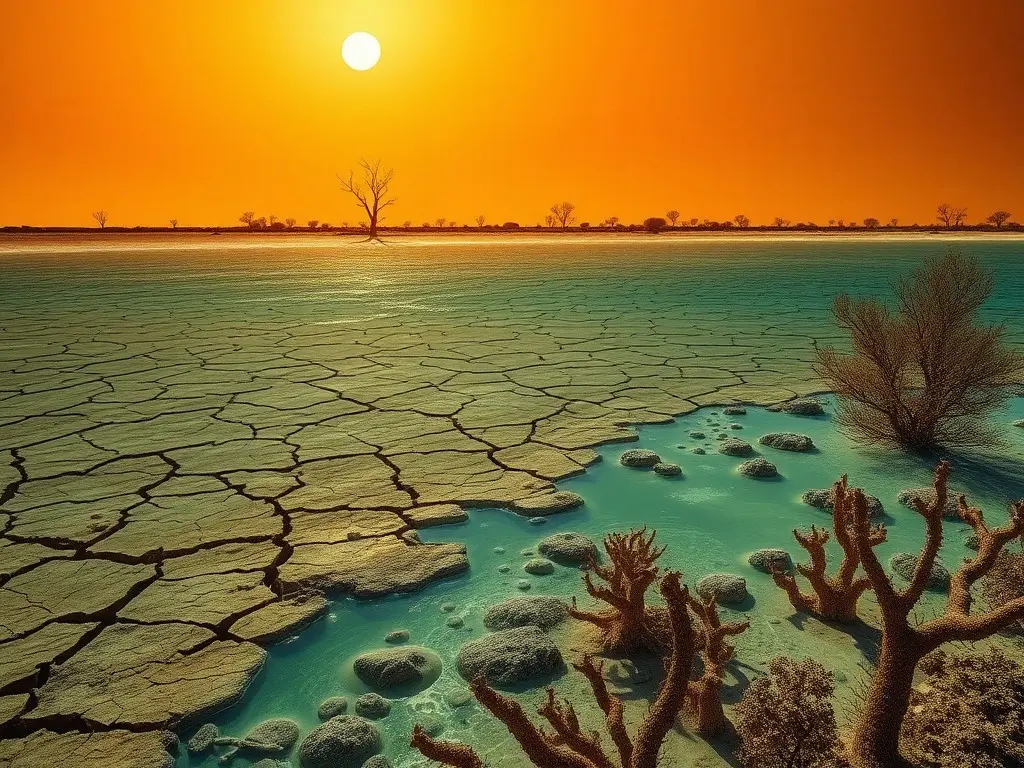
Australia’s Bureau of Meteorology declared a strong El Niño underway, warning climate change will amplify extreme heat, drought, and bushfire risks. The phenomenon follows rapid ocean warming and aligns with global heating trends, prompting concerns over unprecedented impacts on rainfall, temperatures, and the Great Barrier Reef.
Australia’s Bureau of Meteorology (BoM) has officially confirmed El Niño is now active in the tropical Pacific, driven by higher-than-average sea surface temperatures and weakening trade winds. The bureau forecasts a strong or very strong event, though it notes past patterns may no longer reliably predict future impacts due to climate change. El Niño typically brings lower winter and spring rainfall, especially in eastern Australia, along with higher daytime temperatures in the south and increased frost risk. The bureau’s technical lead, Felicity Gamble, emphasized the event is unfolding in a world already 1.5°C warmer, raising concerns about unprecedented ocean temperatures and amplified effects like heatwaves and bushfires. While recent rainfall has eased some conditions, the combination of El Niño and climate change poses heightened risks, particularly for farmers and urban areas near bushland. The declaration follows similar announcements by the U.S. National Oceanic and Atmospheric Administration (NOAA) and Japan’s Meteorological Agency, though each uses different thresholds. Climate experts warn El Niño, paired with fossil fuel emissions, will worsen extreme weather globally, potentially delivering a record-warm year for the planet next year. Australia’s Climate Council highlighted the ‘dangerous double act’ of El Niño and greenhouse gases, warning of severe drought for farmers and elevated fire risks in urban fringe areas. CEO Amanda McKenzie stressed the dual threat will disproportionately affect vulnerable communities, compounding existing climate pressures.
This content was automatically generated and/or translated by AI. It may contain inaccuracies. Please refer to the original sources for verification.