Bonn Climate Talks: COP31 Presidency announces “35% by 2035” electrification target
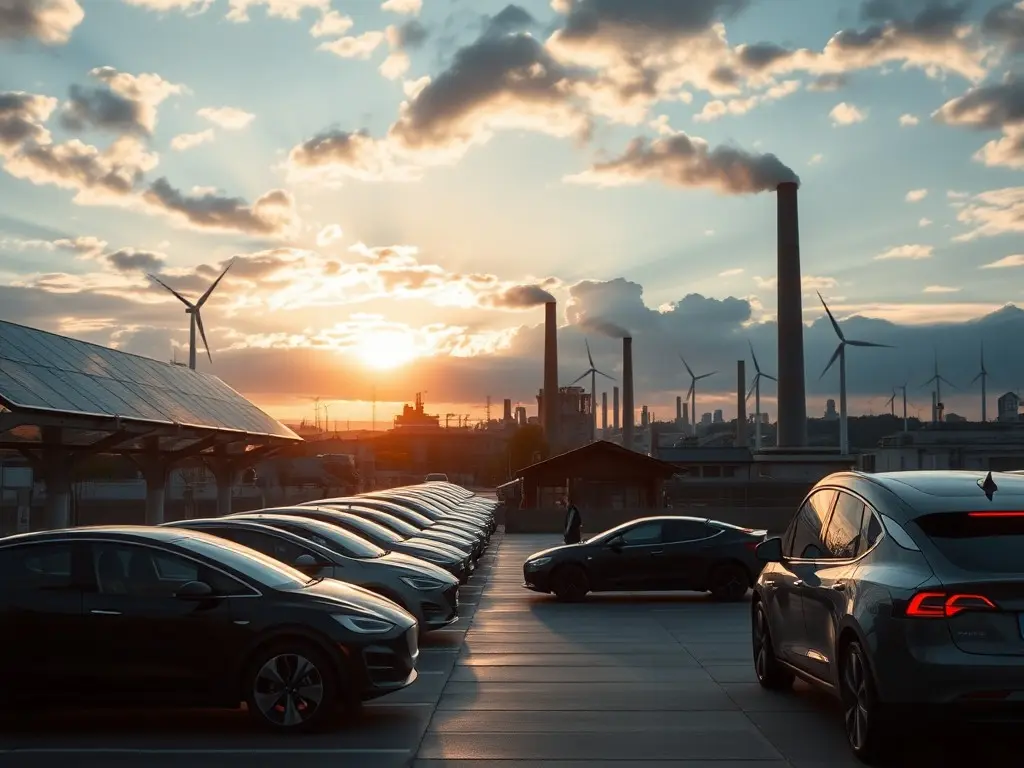
Türkiye’s Minister of Environment, Urbanisation and Climate Change Murat Kurum announced a new global electrification target of 35% by 2035 during the Bonn Climate Change Conference, aiming to shift energy demand from fossil fuels to clean electricity. The initiative, part of COP31’s Action Agenda, also includes goals to halve global waste growth and reduce energy consumption in buildings by 25% by 2035, supported by partnerships with the IEA and IRENA.
Türkiye’s Minister of Environment, Urbanisation and Climate Change Murat Kurum, serving as COP31 President-Designate, unveiled a global electrification target during the Bonn Climate Change Conference. The initiative proposes increasing the share of final energy demand met by electricity from just over 20% today to 35% by 2035, focusing on buildings, transport, and industry. Kurum emphasized that electrification would protect families and businesses from volatile energy markets and align with the Paris Agreement’s 1.5°C warming limit. The target, backed by analysis from the International Energy Agency (IEA) and the International Renewable Energy Agency (IRENA), is part of a broader Action Agenda for COP31, scheduled to take place in Antalya. Alongside electrification, the Presidency announced additional goals, including halving global waste growth by 2035—with food waste contributing 10% of global emissions—and reducing energy consumption intensity in buildings by at least 25% by 2035. Kurum highlighted the need for a global coalition to implement these initiatives, noting that electrification has already driven clean energy growth and job creation. He also introduced new priorities like food security, circular materials in manufacturing, and climate education. The COP31 Presidency, in partnership with Australia, commissioned the IEA to develop reports outlining pathways to achieve the ‘35x35’ electrification target and analyze waste reduction benefits. Simon Stiell, Executive Secretary of the UNFCCC, supported the push for electrification, calling it essential to reduce reliance on fossil fuels and restore energy security amid rising costs. He also stressed the importance of resilient cities and cutting waste to combat climate impacts already affecting global economies and supply chains. The Climate Implementation Bridge, another initiative, aims to strengthen the link between national climate, economic, and development priorities to accelerate financing and impact. This follows COP31’s existing collaboration with IRENA to explore electrification’s role in transitioning away from fossil fuels.
This content was automatically generated and/or translated by AI. It may contain inaccuracies. Please refer to the original sources for verification.