Brazil’s beloved instant payment system faces scrutiny from the Trump administration
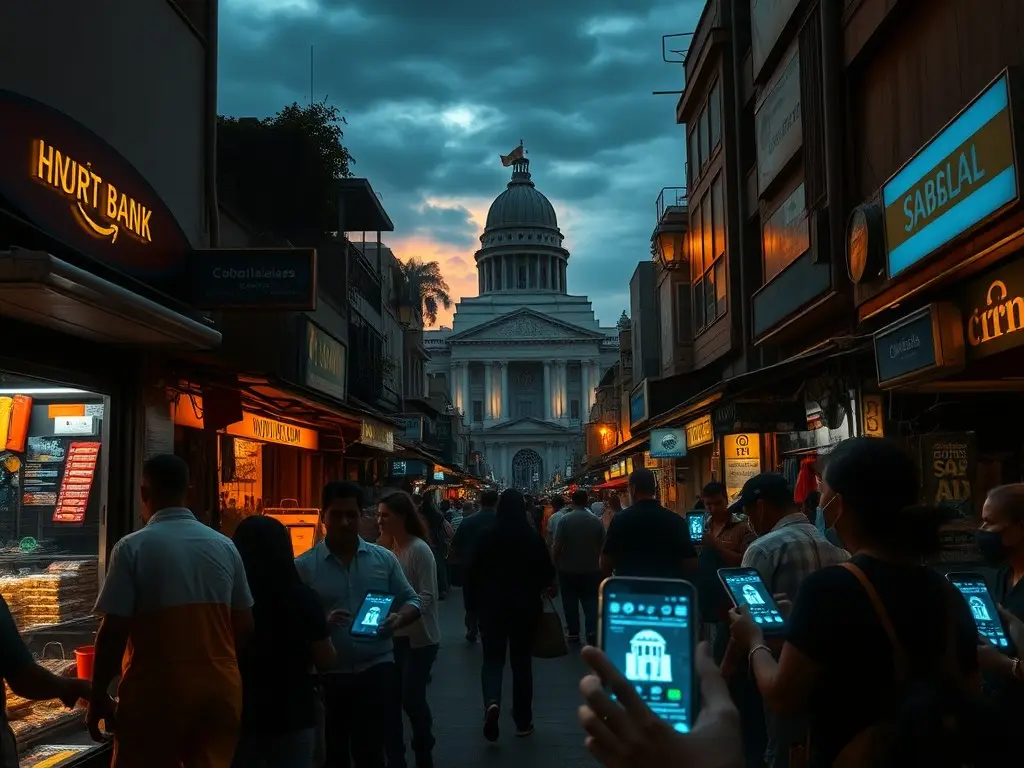
Brazil’s instant payment system PIX, operated by the Central Bank, processed $7 trillion in transactions last year but now faces scrutiny from the U.S. Trade Representative over claims it unfairly competes with Visa and Mastercard by bypassing traditional credit networks. The system, popular among Brazilians for its zero-fee transfers and real-time processing, has also been exploited by criminal networks for fraud, with millions of victims reported annually despite security measures like transaction caps and account monitoring.
Brazil’s instant payment system PIX, launched in 2020 by the Central Bank, has become a cornerstone of the country’s financial transactions, handling $7 trillion in payments last year. The system allows real-time transfers for individuals, businesses, and government entities using just a Brazilian bank account, with zero fees for personal transactions and lower costs for businesses compared to traditional bank transfers. PIX’s integration with QR codes and widespread adoption—replacing cash for everything from beachside snacks to large purchases—has made it a favorite among Brazilians across political divides. The U.S. Trade Representative (USTR), under former President Donald Trump, opened an inquiry in July 2023, alleging PIX imposes unfair competition on U.S. credit card operators like Visa and Mastercard by offering an alternative to transaction fees. The USTR’s focus on PIX contrasts with its lack of action against India’s similar system, which processed $300 billion in March alone without fees. Brazilian authorities argue the system’s efficiency and accessibility benefit the economy, though critics highlight its potential to undermine traditional financial networks. Despite its success, PIX faces challenges, including fraud. Criminal networks exploit the system by stealing phones to instantly transfer large sums, leaving victims and authorities struggling to recover funds. Brazilian police, banks, and insurers have implemented measures like closing suspicious accounts and capping evening transactions to limit fraud, but the Brazilian Forum of Public Security estimates 24 to 28 million people were affected by PIX-related crimes between January and September 2022. While the system’s technology is deemed secure, human exploitation remains its primary vulnerability. Businesses like Marcello Palladini’s São Paulo restaurant rely on PIX for supplier payments and quick transactions, though many customers still prefer credit cards or meal vouchers. Large corporations also use PIX for employee payments and major purchases, though high-value transactions often require bank approval. The system’s real-time processing and accessibility have cemented its role in Brazil’s economy, but its rapid growth and fraud risks continue to test its resilience.
This content was automatically generated and/or translated by AI. It may contain inaccuracies. Please refer to the original sources for verification.