Breathless hunters: How AIP technology is making India’s new submarines invisible
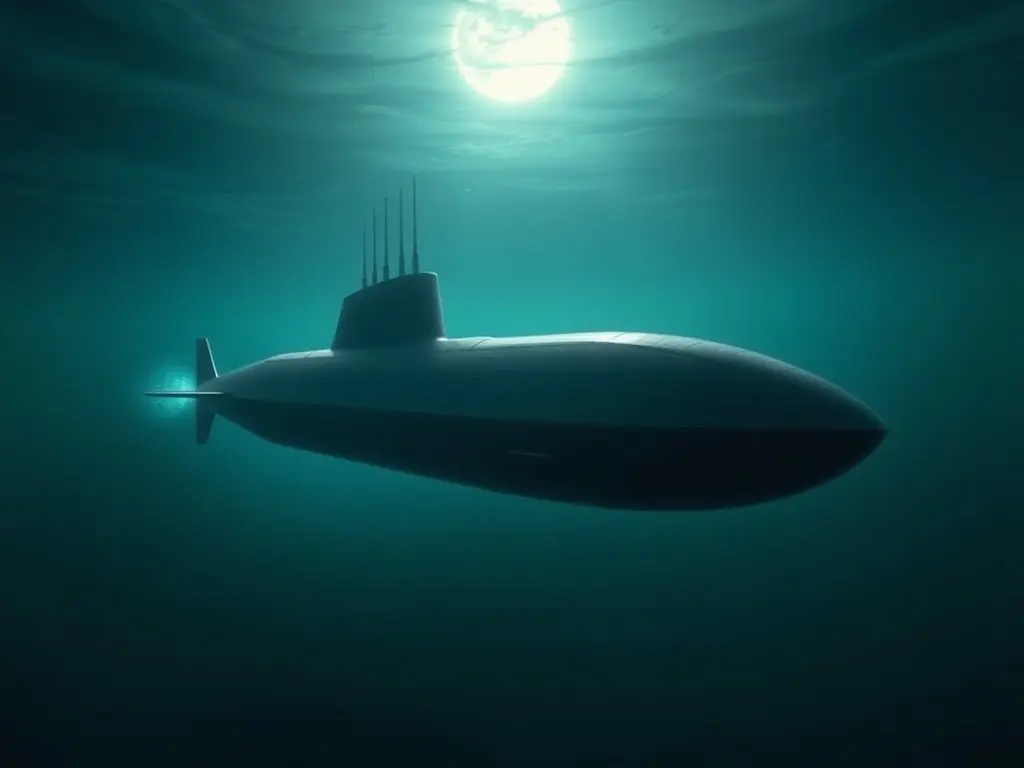
India’s Union Finance Ministry approved a ₹70,000 crore deal for Project 75I, which will build six advanced submarines with Air-Independent Propulsion (AIP) technology, allowing them to stay submerged for weeks. The contract, to be signed under Admiral Krishna Swaminathan, involves Mazagon Dock Shipbuilders Limited (MDL) and German firm thyssenkrupp Marine Systems (tkMS), with the first submarine expected in seven years.
India’s Union Finance Ministry has approved a ₹70,000 crore deal for Project 75I, a new generation of conventional submarines equipped with Air-Independent Propulsion (AIP) technology. The proposal is now under review by the Cabinet Committee on Security (CCS), led by Prime Minister Narendra Modi, before final approval. Once cleared, the project will see six advanced submarines built in India, with the first expected to join the Navy seven years after contract signing, followed by annual deliveries. The submarines will be constructed by Mazagon Dock Shipbuilders Limited (MDL) in Mumbai, in partnership with German firm thyssenkrupp Marine Systems (tkMS). This collaboration was chosen over a rival bid from Larsen & Toubro and Spain’s Navantia. The deal also includes technology transfer from tkMS, enabling India to enhance its submarine manufacturing capabilities. Admiral Krishna Swaminathan, set to take charge as Navy chief on May 31, will oversee the project, replacing Admiral Dinesh K Tripathi after 40 years of service. AIP technology allows submarines to operate underwater for two to three weeks without surfacing, significantly reducing detection risks. Unlike traditional diesel submarines, which must periodically resurface for air, AIP-equipped vessels generate electricity internally using stored oxygen and fuel. This enables them to remain hidden for extended periods, improving stealth and operational effectiveness. The submarines will be based on the HDW Class 214 design and will use AIP to power propulsion, sonar, radar, and life-support systems. The technology ensures silent operation, making them harder to detect while maintaining full functionality. The project aligns with India’s goal of self-reliance in defense manufacturing, reducing dependence on foreign suppliers. The first submarine is expected to enter service seven years after contract approval, with subsequent vessels delivered annually. The AIP system will provide a strategic advantage, allowing the Indian Navy to sustain prolonged underwater missions without compromising crew safety or operational readiness.
This content was automatically generated and/or translated by AI. It may contain inaccuracies. Please refer to the original sources for verification.