British local elections herald a new kind of politics
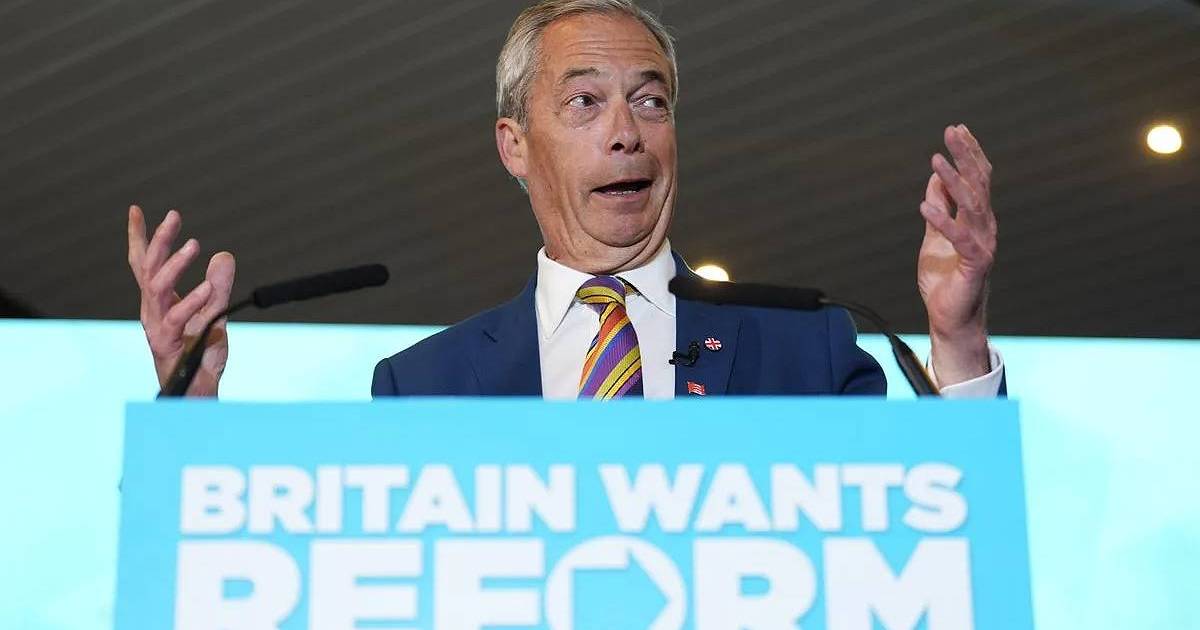
The UK’s recent local elections marked a historic shift as voters abandoned traditional Labour and Conservative parties, boosting Reform UK and the Greens. Nigel Farage’s Reform UK and Green Party leader Zack Polanski capitalized on anti-establishment sentiment, while Labour’s Keir Starmer faces internal pressure to resign amid declining support.
The UK’s local elections have exposed a seismic shift in voter sentiment, with long-dominant Labour and Conservative parties losing ground to Reform UK and the Greens. Reform UK, led by Nigel Farage, and the Greens—under Zack Polanski—gained traction by rejecting traditional political rhetoric, focusing instead on cultural symbolism and outsider appeal. In the 2024 general election, Reform secured 15.3% of the vote in English constituencies, while the Greens won 7.3%, but the local elections amplified this trend, reflecting broader disillusionment with mainstream politics. Labour’s Keir Starmer now faces internal calls to step down as the party’s poll ratings plummet, following the Conservatives’ devastating loss of 238 seats in 2024. The elections highlighted voter frustration with conventional politicians, who continue to prioritize local policies like refuse collection and libraries, while Reform and the Greens ignored policy detail in favor of symbolic messaging. Reform UK proposed setting up migrant detention centers in Green-leaning areas, and Green candidates in Haringey emphasized Palestinian rights, despite local councillors lacking authority over such issues. The results signal a rejection of the UK’s century-old two-party system, with voters favoring radical alternatives over traditional governance. Farage and Polanski’s outsider personas resonated, contrasting sharply with Labour and Conservative candidates who adhered to decades-old campaigning styles. The shift suggests a generational change in British politics, where cultural values and anti-establishment sentiment now outweigh pragmatic policy discussions. Analysts describe the trend as a demand for a radical alternative to politics itself, not just new parties. The elections turned into a referendum on trust in political leadership, with voters increasingly skeptical of mainstream parties’ ability to address their concerns. This realignment could reshape the UK’s political landscape, forcing Labour and the Conservatives to adapt or risk further decline.
This content was automatically generated and/or translated by AI. It may contain inaccuracies. Please refer to the original sources for verification.