British navy prepares to clear mines in Hormuz while waiting for peace deal
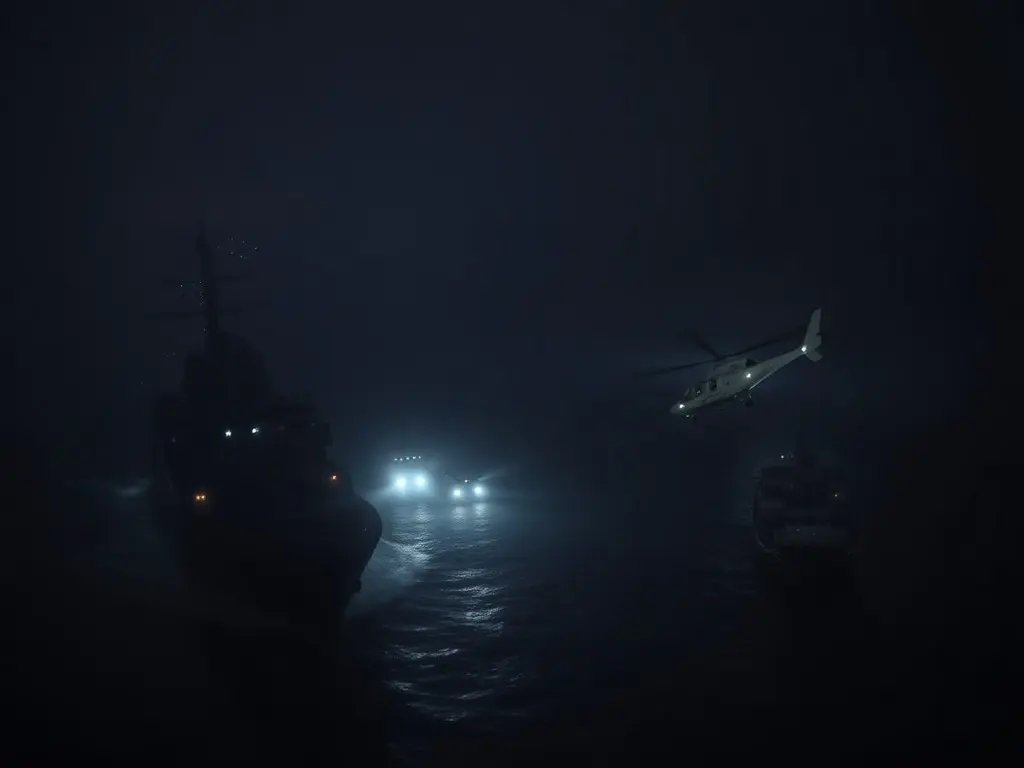
The UK’s Royal Navy, led by the RFA Lyme Bay, is preparing for a potential mine-clearing operation in the Strait of Hormuz, contingent on a peace deal with Iran, while US President Donald Trump has criticized allies for not securing the waterway independently. The mission involves advanced sonar drones and remotely operated vehicles to neutralize Iranian mines, with a focus on clearing transit lanes for stranded ships amid global shipping disruptions.
The UK’s Royal Navy is gearing up for a mine-clearing operation in the Strait of Hormuz, a critical waterway for global oil and gas shipments, following Iran’s blockade after the US-Israel conflict escalated in late February. The RFA Lyme Bay, an amphibious vessel docked in Gibraltar, is being equipped with mine-hunting sea drones and autonomous systems capable of scanning the seabed using sonar. These systems can identify underwater threats—such as rocket-propelled, cabled, or pressure-triggered mines—before divers or remotely operated vehicles neutralize them. The mission, led by the UK and France, aims to create a transit lane for around 700 ships currently stranded in the strait, with a secondary lane for incoming vessels. US President Donald Trump has pressured NATO allies to secure the strait independently, calling Britain’s navy ‘toys’ and criticizing Prime Minister Keir Starmer’s leadership. Trump claimed a peace deal with Iran is ‘largely negotiated’ but remains unfinished. Cmdr. Gemma Britton of the Royal Navy’s Mine and Threat Exploitation Group highlighted the complexity of Iran’s potential minefield, which could include diverse types triggered by sound, movement, or light. The RFA Lyme Bay’s autonomous drones reduce risk by minimizing crew exposure, while a remotely operated vehicle is being tested to detonate mines without human divers. The ship will join the UK destroyer HMS Dragon and allied vessels for air support before sailing through the Suez Canal to the Persian Gulf. Since Iran’s retaliation, at least 6,000 ships have been blocked, disrupting global energy and fertilizer supplies. Armed Forces Minister Al Carns emphasized the UK’s role in coordinating a 40-nation effort to address the crisis, contrasting with Trump’s criticism. The operation remains conditional on a finalized peace agreement, though preparations are underway to respond if tensions escalate.
This content was automatically generated and/or translated by AI. It may contain inaccuracies. Please refer to the original sources for verification.