Can Israeli Arab Politics Change the next Election
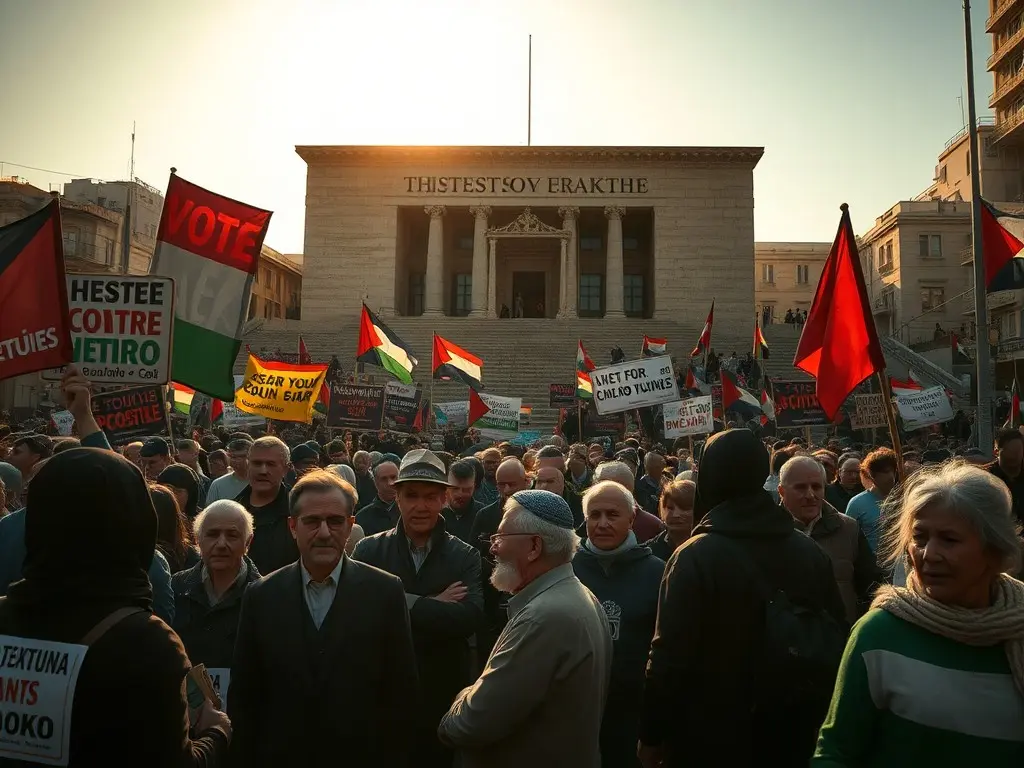
Israel’s Arab political parties missed the deadline for surplus-vote sharing agreements ahead of the November 1 election, potentially boosting Benjamin Netanyahu’s bloc, while polls show a slight rise in Arab voter turnout and support for Arab parties joining a coalition government. The Joint List’s decision to split into two factions and Ra’am’s independent stance could reshape Arab representation in the Knesset, despite internal divisions and low confidence in past coalition benefits.
Israel’s Arab political parties failed to finalize surplus-vote sharing agreements before the October 26 deadline, which could strengthen Benjamin Netanyahu’s coalition ahead of the November 1 election. Polls indicate a modest increase in Arab voter turnout, with 50.5% of respondents in the Israel Democracy Institute’s survey saying they are “certain” to vote, though overall participation remains volatile, ranging between 45% and 65% in recent years. The Joint List, an alliance of Arab-led parties, announced it would run as two separate factions in the upcoming election, a late decision that may dilute Arab representation in the Knesset. The alliance, formed in 2015 to overcome the 3.25% electoral threshold, has struggled with internal disputes, including the Balad party’s refusal to sign a deal with Hadash-Ta’al, leaving its votes potentially wasted. Ra’am, the Islamist party that previously joined an anti-Netanyahu coalition, remains committed to running independently despite 69.5% of Arab respondents supporting Arab parties in a coalition government. Only 43% of respondents believe Ra’am’s past participation improved the lives of Arab Israelis, reflecting skepticism about coalition benefits. Likud has increased spending on Arabic-language advertisements in Arab communities, securing around 5% of Arab votes in the last election—the highest among non-Arab parties. Meanwhile, Arab turnout volatility persists, with most votes going to Arab parties, though only 9% supported Jewish parties in the previous election. Israel’s Arab population—around one million citizens—remains diverse, including Druze, Bedouin, Christians, and communities in mixed cities like Haifa and Jaffa. Their political influence hinges on turnout and coalition dynamics, with surplus votes often deciding tight races under Israeli electoral law.
This content was automatically generated and/or translated by AI. It may contain inaccuracies. Please refer to the original sources for verification.