Can Plastic Waste Be Turned Into Medicines? A New Breakthrough Explained
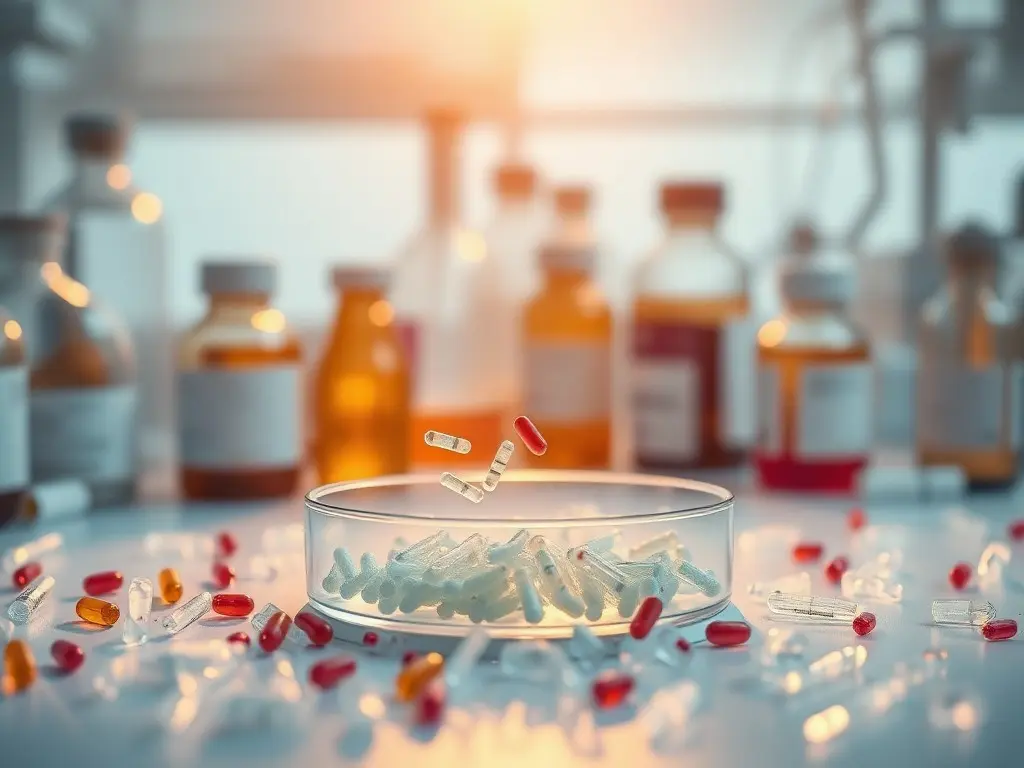
Scientists at the University of Edinburgh have developed a method to convert PET plastic waste into levodopa, a key drug for Parkinson's disease, using genetically engineered E. coli bacteria. This breakthrough offers a sustainable alternative to traditional drug production and could reduce plastic waste while supporting pharmaceutical supply.
Researchers have developed a method to convert PET plastic waste into levodopa, a widely used treatment for Parkinson's disease. The process involves breaking down PET plastic into simpler chemical components and feeding these compounds to genetically engineered E. coli bacteria. The bacteria then use microbial pathways to convert carbon into levodopa. This approach treats plastic not as waste, but as a valuable chemical resource, offering a new pathway for sustainable drug production. The study was published in Nature Sustainability and highlights a new direction in pharmaceutical development where biology and sustainability intersect. If successfully scaled, it could reduce dependence on fossil fuels, lower production costs, and address both plastic pollution and healthcare needs.
This content was automatically generated and/or translated by AI. It may contain inaccuracies. Please refer to the original sources for verification.