Can the Aral Sea be reborn?
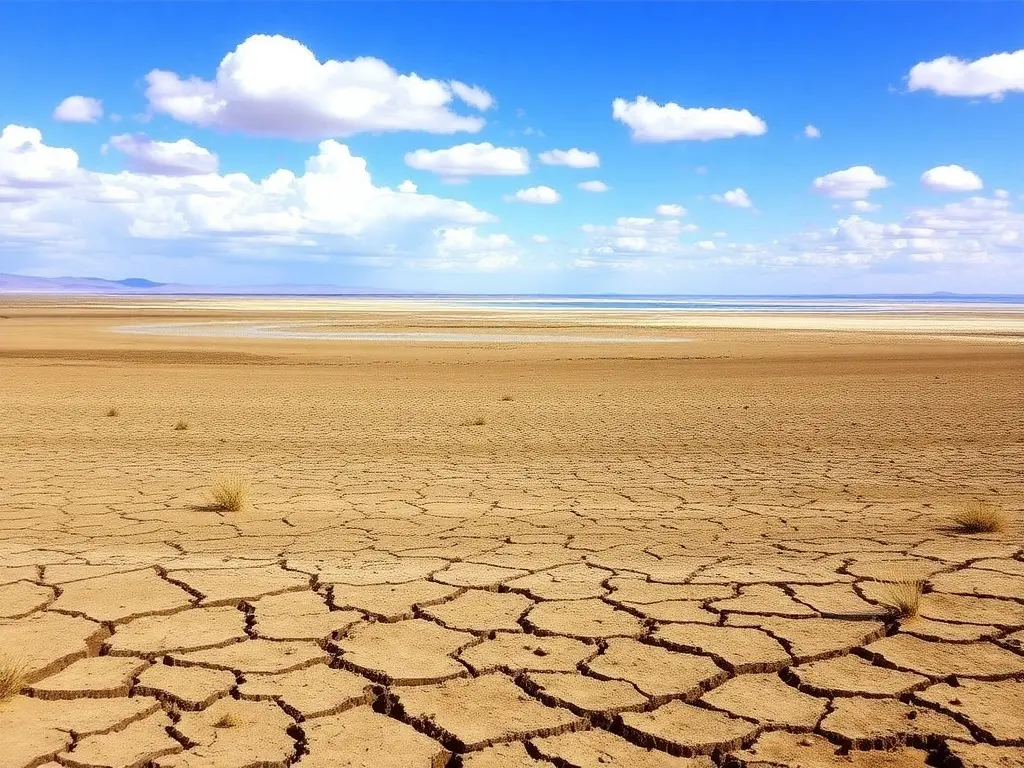
The Aral Sea, once the world's fourth-largest lake, was devastated by Soviet-era irrigation projects, but conservationists are now exploring ways to restore it. Reversing the damage will take time, but some experts believe that stopping the diversion of the rivers that feed the lake could help it reemerge.
The Aral Sea was once a thriving ecosystem, but it was devastated by Soviet-era irrigation projects that diverted its feeder rivers. By the turn of the century, the lake had shrunk to less than 10% of its original size, leaving behind a salt-encrusted desert. Today, conservationists are exploring ways to restore the lake. The solution is simple: stop diverting the rivers that feed it, and the lake will reemerge. The Amu Darya and Syr Darya rivers, which are fed by snow and glacier melt in the Pamirs and Tian Shan mountains, could potentially reverse the lake's losses by the end of the century. Environmental advocates believe that changing the unsustainable activities in the region and restoring the natural flow of the rivers could help to revive the Aral Sea.
This content was automatically generated and/or translated by AI. It may contain inaccuracies. Please refer to the original sources for verification.