Can Trump get a good Iran deal? Here are the major pitfalls that lie ahead
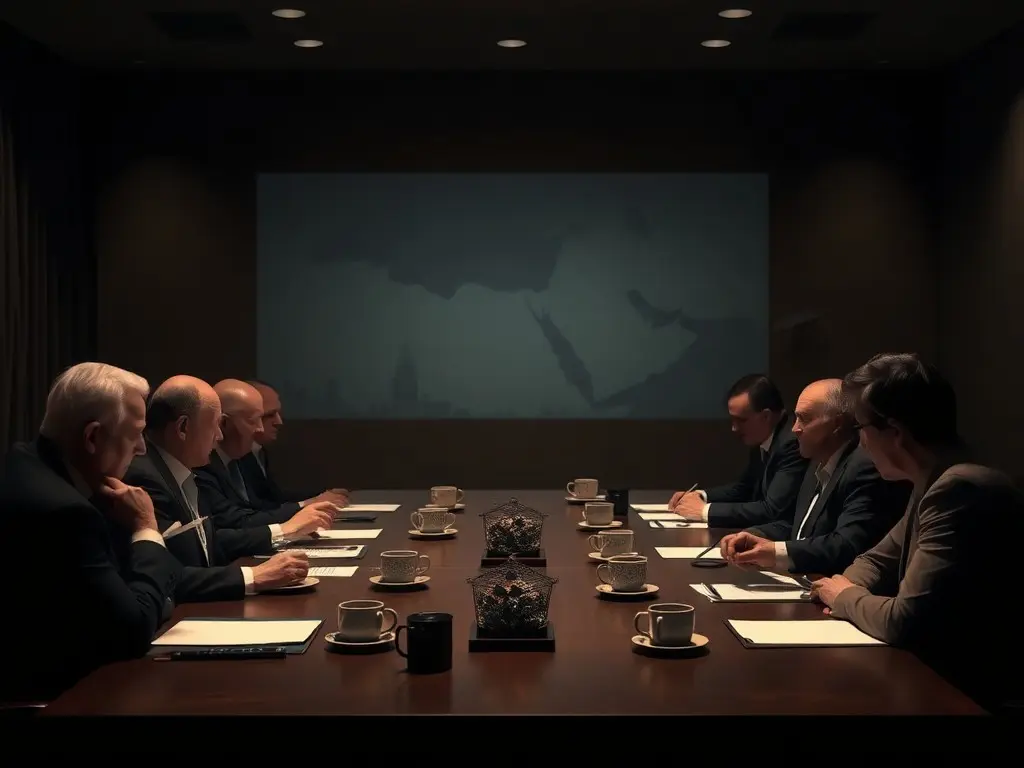
Optimism surrounds potential Trump administration negotiations with Iran to extend a ceasefire, with Iran’s foreign minister stating an agreement has never been closer, though critics warn the interim deal would only address easier issues while leaving complex nuclear and compliance challenges unresolved. Discrepancies in reported concessions and Trump’s public criticism of Iranian leaders highlight tensions, with key hurdles including Iran’s nuclear program, enforcement mechanisms, and political opposition from hardliners within his own party.
Negotiations between the Trump administration and Iran have reached a critical juncture, with both sides expressing cautious optimism about a potential ceasefire agreement. Iran’s foreign minister has stated that an agreement has never been closer, though analysts emphasize this would not be a comprehensive peace deal but rather a first step toward resolving broader conflicts. The interim agreement under discussion would focus on easing tensions in the Strait of Hormuz and nearby US blockades, while establishing a 60-day timeline to address more difficult issues. The Trump administration claims Iran has agreed to significant concessions, including dismantling its nuclear program and committing indefinitely to not developing a nuclear weapon. However, Iranian state media presents a starkly different version of any tentative deal. Discrepancies have already sparked controversy, with Trump publicly calling Iranian leaders ‘very dishonorable people to deal with’ after reports suggested terms overly favorable to Tehran. The most contentious issue remains Iran’s nuclear program. While the US insists Iran will halt enrichment activities, details on enforcement and civilian nuclear capacity remain unclear. A senior administration official mentioned a new ‘inspection regime,’ but specifics are scarce, raising questions about how inspectors would verify compliance. Iran has long maintained it seeks only civilian nuclear energy, complicating efforts to distinguish between permissible and prohibited activities. Political challenges loom large for Trump, who must convince skeptics within his own party that any deal would be superior to the 2015 agreement negotiated under Obama. Hardline Republicans, known as Iran hawks, have already criticized past efforts to curb Tehran’s nuclear ambitions, making domestic support uncertain. Additionally, Trump’s rhetoric—calling Iran ‘dishonorable’—risks undermining trust in negotiations, even as diplomats work to finalize terms. The path forward hinges on resolving these contradictions. If the US and Iran can align on nuclear restrictions and verification, the deal could ease regional tensions. However, without clear enforcement mechanisms and political buy-in, even a partial agreement may face backlash. For now, both sides appear committed to avoiding further escalation, but the road to a lasting resolution remains fraught with obstacles.
This content was automatically generated and/or translated by AI. It may contain inaccuracies. Please refer to the original sources for verification.