Canada’s Billion-Year-Old Rocks Could Hold the Future of Clean Energy
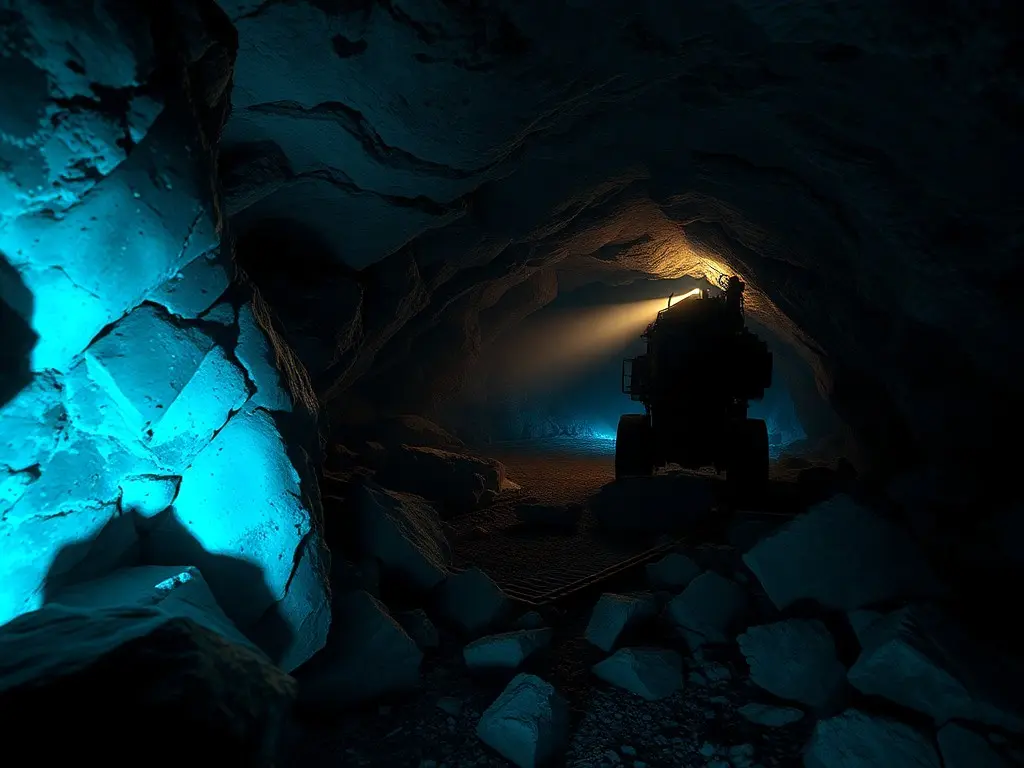
Researchers from the University of Toronto and the University of Ottawa discovered that billion-year-old rocks in Canada’s Canadian Shield naturally generate and release hydrogen gas, with measurable emissions in an Ontario mine. Their study, published in *Proceedings of the National Academy of Sciences*, suggests this 'white hydrogen' could serve as a viable, low-carbon energy source, potentially powering over 400 homes annually from a single site.
Scientists have identified a new source of clean energy hidden beneath Canada’s ancient geological formations. Researchers from the University of Toronto and the University of Ottawa measured hydrogen gas naturally emerging from billion-year-old rocks in the Canadian Shield, documenting continuous releases over at least a decade. Their findings, published in *Proceedings of the National Academy of Sciences*, provide the first direct evidence that these underground formations could be tapped for commercial hydrogen production. The team collected data from an active mine near Timmins, Ontario, where boreholes released an average of 0.008 tonnes of hydrogen annually—equivalent to the weight of a car battery. Across nearly 15,000 boreholes, the mine’s total output exceeded 140 tonnes yearly, enough to generate 4.7 million kilowatts of energy annually, powering over 400 homes. Lead author Barbara Sherwood Lollar, a University of Toronto professor, called the discovery a potential 'domestic source of cost-effective energy' that could reduce reliance on fossil fuels. Most global hydrogen production relies on fossil fuels, emitting carbon dioxide, while 'green hydrogen' remains expensive and logistically challenging. Natural or 'white hydrogen,' produced by underground chemical reactions between rocks and groundwater, has been overlooked until now. The study’s direct measurements confirm large-scale, long-term hydrogen releases, unlike previous theoretical estimates. Canada’s vast territories, particularly the Canadian Shield, contain the right geological conditions for natural hydrogen formation. Researchers emphasize that this resource could support local industries, reduce greenhouse gas emissions, and provide a sustainable alternative to imported hydrocarbon fuels. The findings mark a shift in energy exploration, focusing on untapped underground reserves as a potential solution for clean energy challenges.
This content was automatically generated and/or translated by AI. It may contain inaccuracies. Please refer to the original sources for verification.