Cancer Mystery Solved: Scientists Discover How Melanoma Becomes “Immortal”
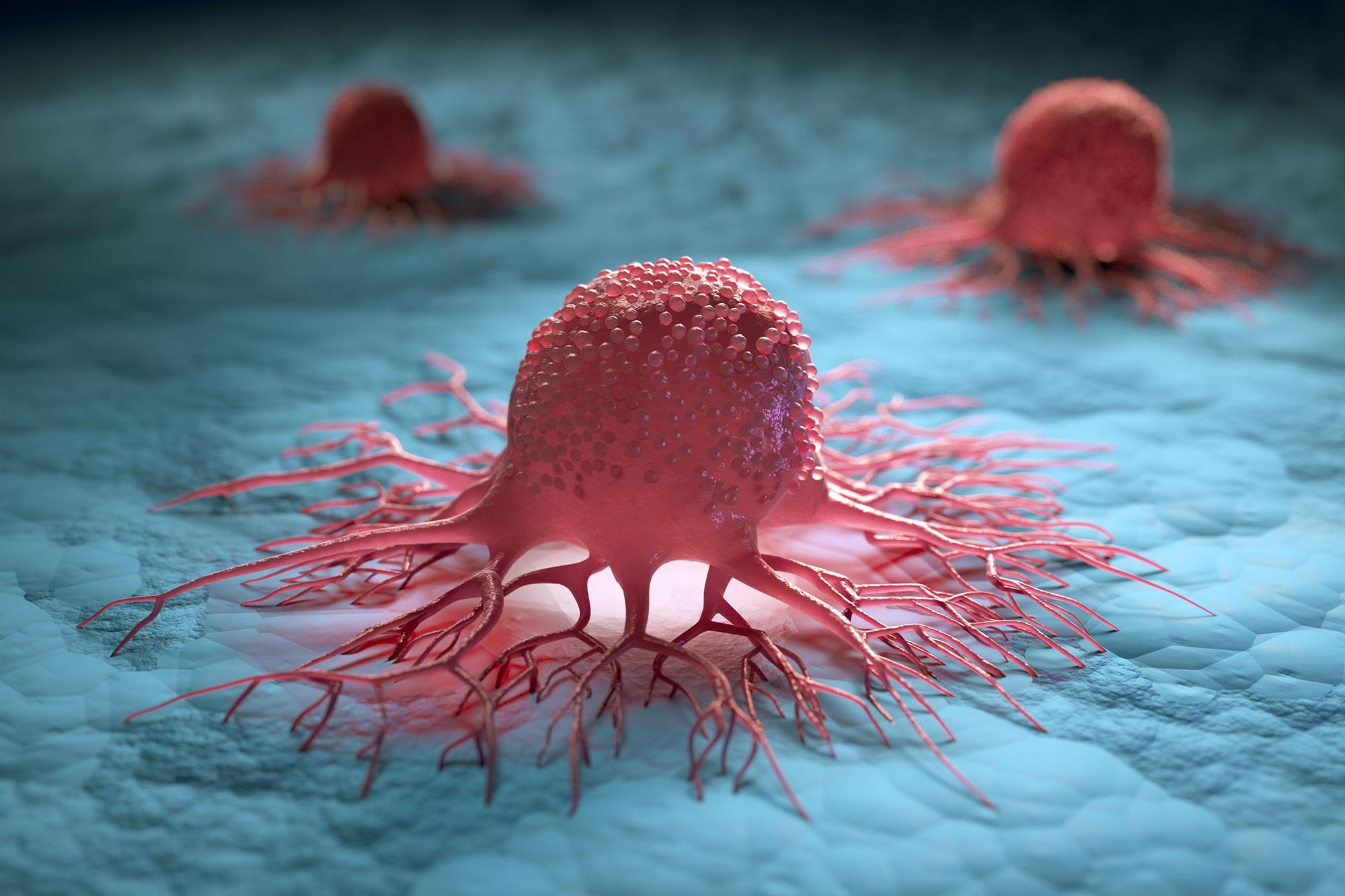
Researchers at the University of Pittsburgh School of Medicine discovered a dual genetic mechanism in melanoma that enables the cancer cells to maintain unusually long telomeres, effectively bypassing cellular aging and allowing tumors to persist. The study, published in *Science*, identifies mutations in both the TERT and ACD genes as key factors in melanoma’s ability to extend its lifespan, offering a potential new target for treatment.
Scientists at the University of Pittsburgh School of Medicine have identified a previously overlooked genetic partnership that helps melanoma cells evade the body’s natural aging limits. The research, published in *Science*, reveals that melanoma tumors maintain exceptionally long telomeres—the protective DNA caps at chromosome ends—through coordinated mutations in two genes: TERT, which produces telomerase, and ACD, which encodes the TPP1 protein. TPP1 helps recruit telomerase to telomeres, enhancing their lengthening effect. While TERT mutations are common in melanoma, accounting for about 75% of cases, they alone did not fully explain the unusually long telomeres observed in tumors. The team discovered that melanoma cells also carry mutations in the ACD gene’s promoter region, which boosts TPP1 production. These mutations create docking sites for ETS transcription factors, amplifying telomerase activity at telomeres. Together, the dual mutations produce a stronger effect than either alone, closely replicating the long telomeres seen in patient tumors. The findings suggest melanoma employs a two-pronged strategy: one mutation increases telomerase production via TERT, while the other enhances telomerase recruitment through TPP1. This discovery builds on decades-old biochemical research but confirms its clinical relevance for the first time. The study’s lead author, Jonathan Alder, Ph.D., noted that the breakthrough stemmed from connecting lab observations with real-world patient data. The research also highlights a potential vulnerability in melanoma cells. By targeting the interplay between TERT and TPP1, future therapies could disrupt the cancer’s ability to sustain its telomeres, offering a new avenue for treatment. The study underscores the complexity of melanoma’s survival mechanisms and the importance of exploring lesser-known genetic pathways in cancer research.
This content was automatically generated and/or translated by AI. It may contain inaccuracies. Please refer to the original sources for verification.