Cannes has restored Amma Ariyan. Can Indian cinema restore its radical imagination?
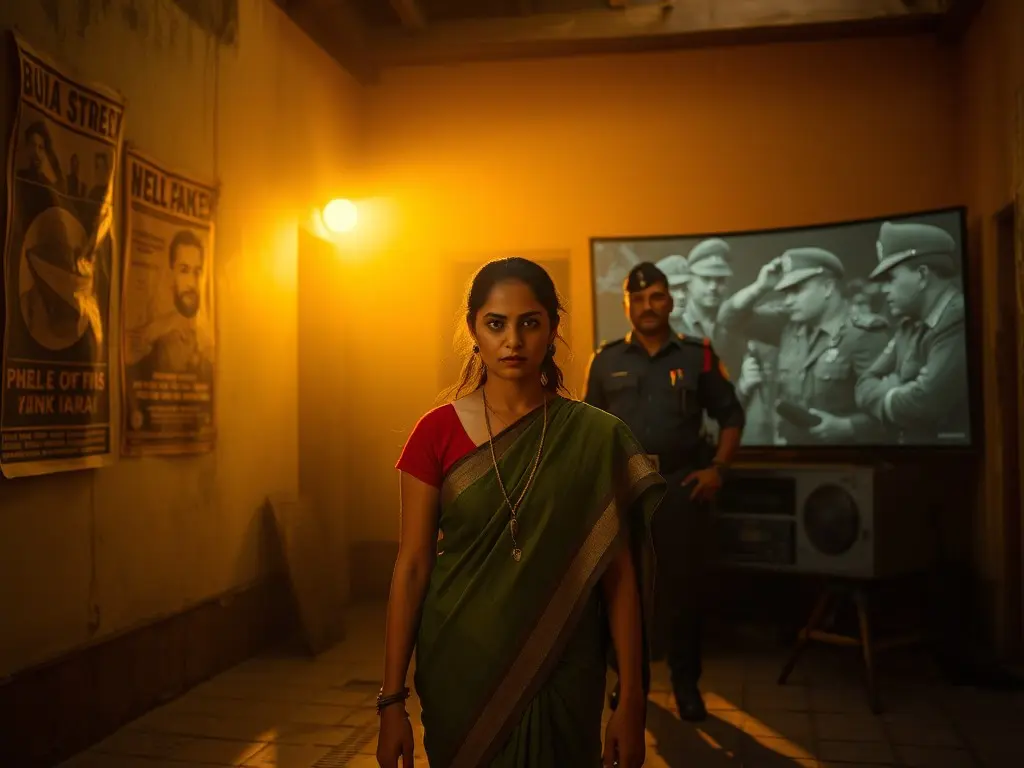
The Cannes Film Festival screened the restored 4K version of John Abraham’s 1986 Malayalam film *Amma Ariyan* (*Report to Mother*) as part of Cannes Classics, marking the first time an Indian feature film appeared there this year. The restoration, led by the Film Heritage Foundation, highlights the film’s political intensity and innovative aesthetics, while raising questions about whether renewed global recognition will spark broader cultural and political restoration efforts in Indian cinema.
The Cannes Film Festival showcased the newly restored 4K version of *Amma Ariyan* (*Report to Mother*), a 1986 Malayalam film directed by John Abraham, as part of its Cannes Classics section. This marks the fifth consecutive year the Film Heritage Foundation’s restorations have been featured at Cannes and the first time an Indian feature film has appeared at the festival this year. The screening received a standing ovation, with Gerald Duchaussoy, Head of Cannes Classics, praising its intensity, camerawork, black-and-white imagery, and political atmosphere, calling it one of the best films of the year. Produced by Odessa Movies, a collective based in Kozhikode, *Amma Ariyan* emerged from a grassroots effort to challenge commercial cinema’s dominance. The group relied on public contributions and donations to fund its projects, including sourcing 16mm prints of classic films from the National Film Archive and collaborating with filmmakers like P.K. Nair, G.V. Iyer, and Buddhadev Dasgupta. Screenings were organized by film societies and activist groups, with proceeds supporting production, demonstrating an alternative model for cinema rooted in direct audience engagement. The film’s creation was also shaped by the political climate of the early 1980s, when disillusioned former Communist Party of India (Marxist–Leninist) Liberation activists sought radical cultural initiatives. Odessa Movies aimed to resist institutional control by experimenting with production, distribution, and exhibition, fostering a decentralized approach to filmmaking. Without widespread popular support, *Amma Ariyan* would not have been possible, reflecting its ties to Kerala’s activist and film-loving communities. Beyond its Cannes recognition, the film’s restoration prompts questions about whether this renewed interest will extend to broader cultural and political discussions. *Amma Ariyan* challenged conventional cinema through its aesthetics, production methods, and critical discourse, raising new questions about the role of film in society. Four decades later, its legacy invites reflection on how Indian cinema can reclaim its radical imagination beyond digital preservation.
This content was automatically generated and/or translated by AI. It may contain inaccuracies. Please refer to the original sources for verification.