CATL To Mass-Produce Sodium-Ion Batteries In 2026 — Targets 370+ Miles Range
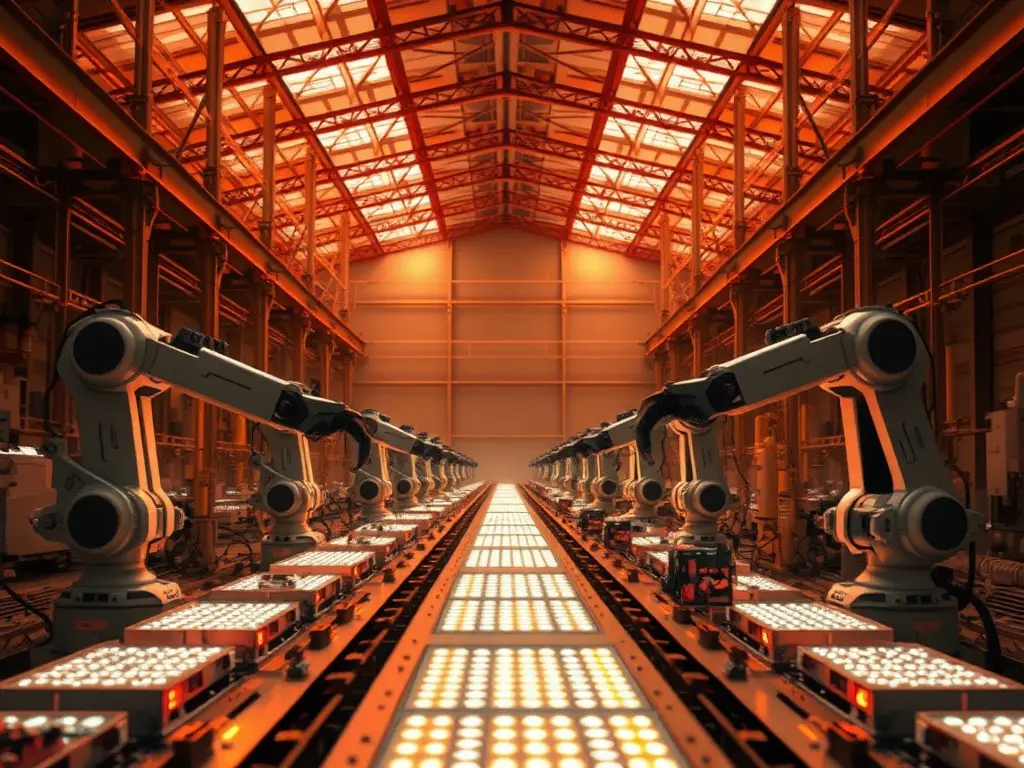
CATL, a Chinese battery manufacturer, announced plans to mass-produce sodium-ion batteries by late 2026, targeting a driving range of over 370 miles and addressing key manufacturing challenges. The technology aims to reduce costs by 30% compared to lithium iron phosphate (LFP) batteries while improving cold-weather performance and easing supply chain constraints.
CATL, the world’s largest battery manufacturer, will begin mass-producing sodium-ion batteries in the fourth quarter of 2026, marking a major step toward commercializing an alternative to lithium-ion technology. The company claims to have resolved over 100 engineering challenges, including moisture control and anode production, enabling large-scale manufacturing. Sodium-ion batteries use abundant, low-cost materials, potentially reducing EV battery costs by 30% compared to lithium iron phosphate (LFP) while offering strong performance in extreme cold, retaining 90% capacity at -40°C. CATL’s sodium-ion cells currently offer an energy density of 175 Wh/kg, lower than lithium-ion alternatives, but the company targets up to 600 km (373 miles) of range in future iterations. Early applications will focus on passenger cars, commercial vehicles, and energy storage systems, with extended-range hybrids expected to achieve 300–400 km (186–249 miles) of electric-only driving. The shift aligns with global efforts to reduce reliance on lithium and other critical minerals, which face supply chain disruptions and rising costs. CATL has invested nearly 10 billion yuan ($1.45 billion) in sodium-ion research, positioning itself as a leader in next-generation battery technology. The company plans to deploy sodium-ion batteries across multiple sectors, including battery-swapping networks and grid-scale energy storage.
This content was automatically generated and/or translated by AI. It may contain inaccuracies. Please refer to the original sources for verification.