Centuries-old textiles on show
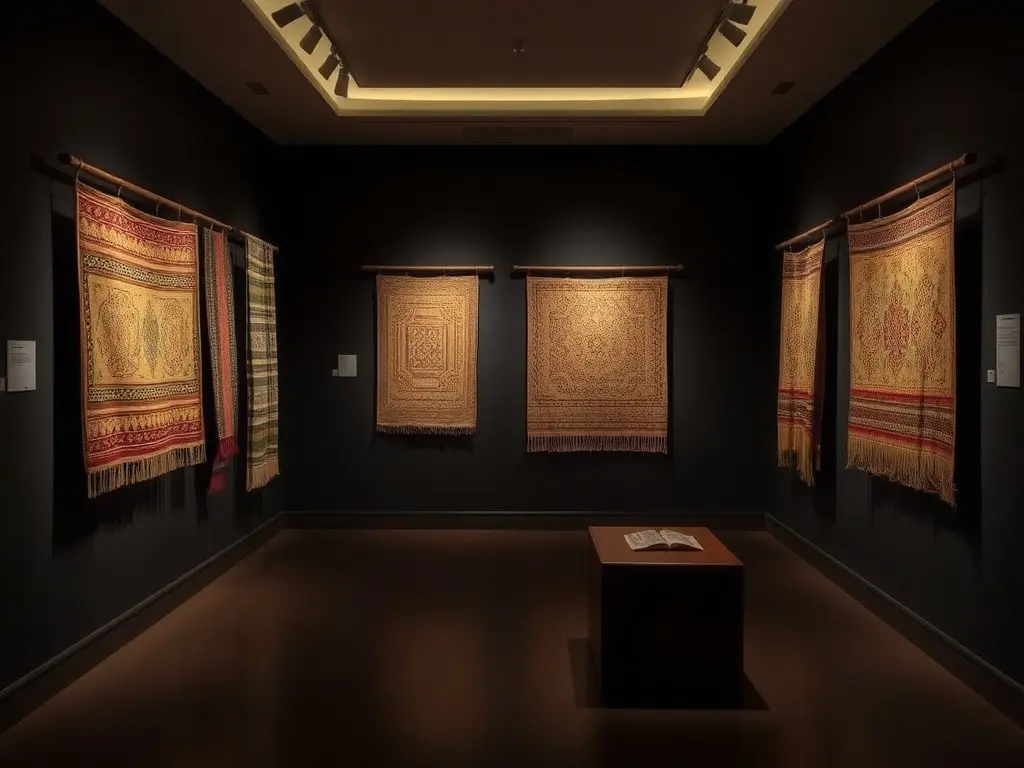
A collection of 40 rare Malay textiles, some dating back centuries, was displayed at HARTA Space in Ampang, Selangor, under the exhibition RAGI: Visual Rhythms of Malay Tenun. Curated by researcher Khairulanwar Rahmat, the show aimed to revive lesser-known ragi patterns and highlight their cultural significance amid modern fashion trends.
An exhibition titled *RAGI: Visual Rhythms of Malay Tenun* opened at HARTA Space in Ampang, Selangor, showcasing 40 rare Malay textiles, some over hundreds of years old. Curated by Malay arts researcher Khairulanwar Rahmat, the display focused on *ragi*—the foundational chequered patterns and thread arrangements in traditional Malay weaving, including layered, overlapping, and single designs. The event was officiated by Tengku Puteri Raja Tengku Puteri Afzan Aminah Hafidzatullah, daughter of the Sultan of Pahang, alongside Islamic Fashion Festival founder Datuk Seri Raja Rezza Shah Raja Aman Shah and HARTA director Mirsham Meer. Khairulanwar explained that *ragi* patterns underpin many textiles like songket, batik, and limar but are often overlooked. The collection included handwoven pieces like *tenun Bugis* and *karat keruping*, each carrying historical narratives—yellow and white dyes were once reserved for royalty, while red came from *kesumba* seeds. Khairulanwar, who has gathered over 800 textiles since 2012, warned that Malaysians risk losing cultural identity as modern fashion shifts toward commercial brands. To preserve the textiles, each piece is rolled in acid-free paper to prevent insect damage and folding-induced deterioration. Damaged items undergo conservation processes lasting months. Khairulanwar emphasized the need to pass down these national treasures to future generations, urging designers to incorporate traditional patterns into contemporary work.
This content was automatically generated and/or translated by AI. It may contain inaccuracies. Please refer to the original sources for verification.