Chernobyl’s Wolves Are Thriving in a Radioactive No-Man’s-Land. Their Genes May Explain Why
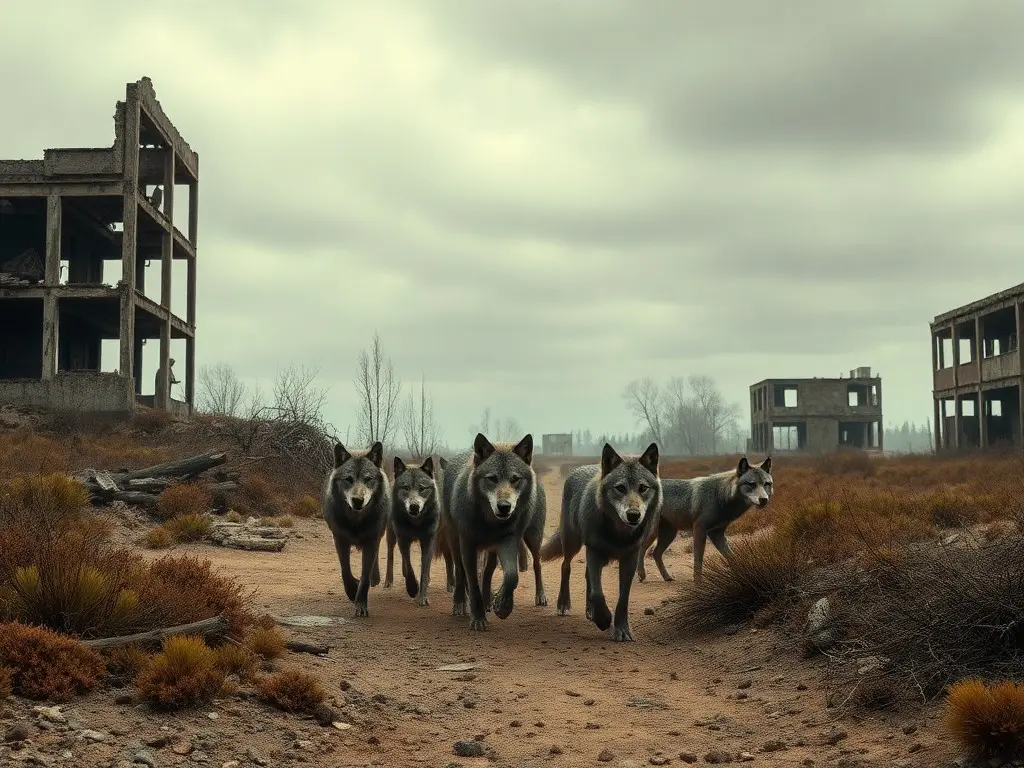
Gray wolf populations in Chernobyl's exclusion zone are seven times higher than before the nuclear disaster due to the absence of humans, and research suggests they are developing genetic changes that make them more resilient to cancer. The wolves are absorbing over six times the legal safety limit of radiation, yet their population has not collapsed.
Forty years after the Chernobyl disaster, the exclusion zone has become a wildlife refuge. Gray wolf populations are seven times higher than before the accident, largely because people left. Researchers studied the wolves using GPS collars and found they absorb more than six times the legal safety limit of radiation. Blood and genetic analyses found 3,180 genes behaving differently in Chernobyl wolves, including changes related to immune function and cancer. The team identified 23 cancer-related genes that stood out, with one gene, PTPN6, possibly linked to cancer resilience. The wolves' biology may be showing signs of selection under pressure, with those better able to manage DNA damage more likely to survive and reproduce.
This content was automatically generated and/or translated by AI. It may contain inaccuracies. Please refer to the original sources for verification.