Chicks Hatch From World's First Artificial Eggs—A Breakthrough Key to Bringing Giant Birds Back From Extinction
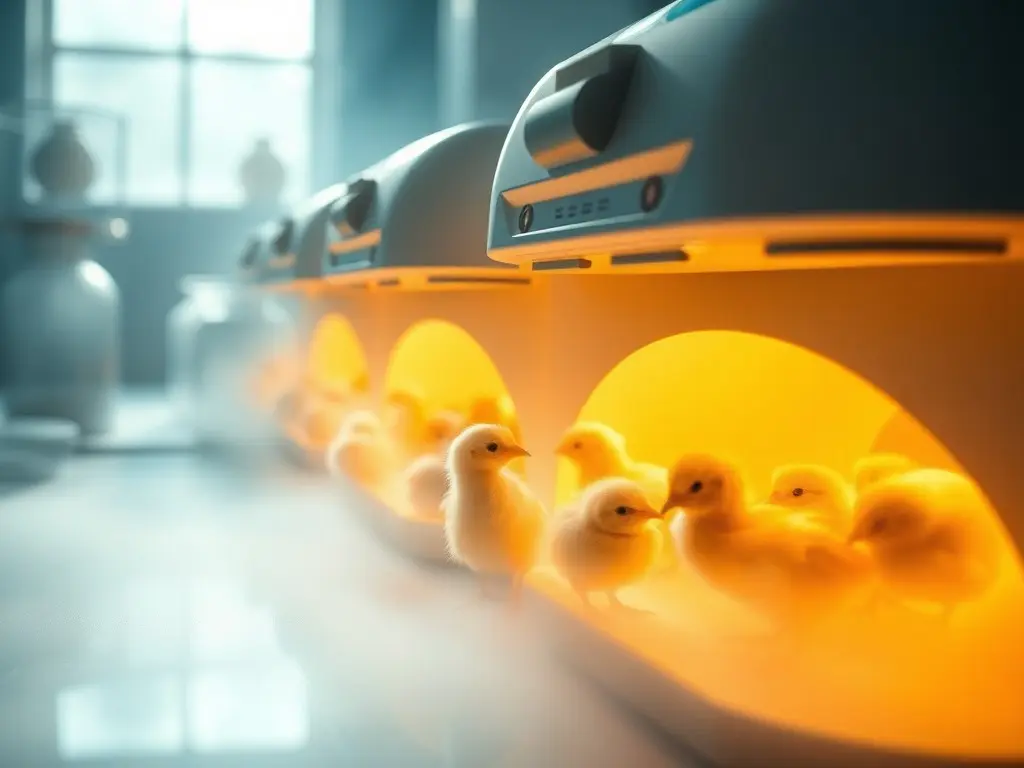
Colossal Biosciences successfully hatched 26 live chicks from fully artificial eggs using titanium shells and silicon membranes, marking a breakthrough for de-extinction technology. The company plans to apply this method to revive extinct species like the dodo and New Zealand’s giant moa, requiring both genetic reconstruction and new incubation systems.
Colossal Biosciences, based in Dallas, announced on May 19 that it hatched 26 live chicks from artificial eggs, a milestone for de-extinction efforts. The eggs used titanium shells with hexagonal pores and silicon membranes to mimic natural gas exchange and water evaporation, essential for chick development. Scientists transferred fertilized chicken embryos—three days old—into these artificial eggs and incubated them for the remaining 18 days of their 21-day cycle. The artificial shell design addressed key challenges, including gas exchange and bacterial protection, using proprietary technology. The titanium structure resembled a soft-boiled-egg cup with a transparent lid, while the ultra-thin silicon membranes replicated the natural egg’s delicate balance of water loss. Colossal’s CEO, Ben Lamm, emphasized that restoring species like the South Island giant moa requires solving both biological and engineering problems. The chicks were incubated in controlled environments, monitored through periodic imaging to track development. After hatching, they were moved to Colossal’s Texas farm, where they will live out their typical lifespan of five to ten years. This breakthrough could pave the way for reviving extinct species, including the dodo and moa, both on Colossal’s de-extinction agenda. The company’s approach combines genetic reconstruction with innovative engineering to create self-sustaining incubation systems. The artificial eggs were tested using fertilized chicken eggs from Colossal’s own avian farm, ensuring precise control over the process. The success of this method could accelerate efforts to reintroduce lost species, leveraging advancements in both biology and materials science.
This content was automatically generated and/or translated by AI. It may contain inaccuracies. Please refer to the original sources for verification.