China beats Elon Musk to launch world’s first commercial brain chip
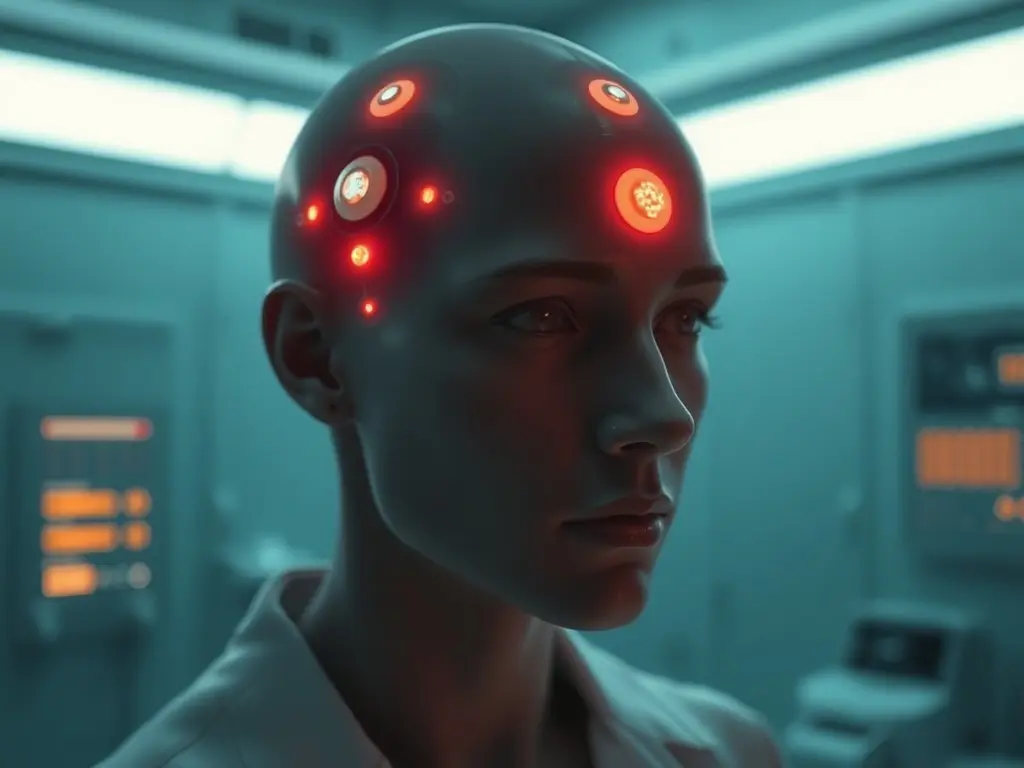
China approved the world’s first commercial brain-computer chip, called NEO, which passed clinical trials and is set for mass production to aid spinal cord injury patients, outpacing Elon Musk’s Neuralink. Experts warn of risks like hacking and data privacy concerns while predicting the $490 million industry could grow to $1.7 billion by 2035.
China has become the first country to approve a commercial brain-computer chip, called NEO, following successful clinical trials. The coin-sized device, designed to enhance nervous system function in patients with spinal cord injuries and paralysis, is now entering mass production for China’s state-run healthcare system. This development positions China ahead of Elon Musk’s Neuralink, which has also been developing brain-implant technology for restoring mobility and sensory functions. NEO’s initial application focuses on paralysis treatment, but industry analysts suggest its potential extends to addressing neurological conditions like depression, epilepsy, stroke, and Parkinson’s disease. The global brain-computer interface market, valued at $490 million currently, is projected to expand to $1.7 billion by 2035, according to Future Market Insights. While the technology promises significant medical advancements, experts raise concerns about data security. Griffith University cybersecurity expert Dr. David Tuffley warns that brain chips could theoretically be hacked to access sensitive neural data, including thoughts and memories. This risk introduces new vulnerabilities beyond existing digital threats, such as AI-connected microphones and tracking sensors. Elon Musk has previously framed brain implants as transformative, comparing their potential impact to ‘Jesus-level technologies’ for restoring mobility and vision. Neuralink’s long-term vision includes thought-controlled tasks like typing and mouse navigation, though critics argue such ambitions blur ethical lines. Meanwhile, China’s state-backed approach to NEO’s deployment underscores its strategic focus on merging human biology with AI-driven solutions. The race between China and private ventures like Neuralink highlights broader questions about data ownership and human augmentation. As venture capitalist Scott Phoenix predicts, integration with AI could become as inevitable as smartphone adoption, raising debates over compliance, autonomy, and the commercialization of personal neural data.
This content was automatically generated and/or translated by AI. It may contain inaccuracies. Please refer to the original sources for verification.