China builds integrated space-air-ground-sea environmental monitoring network with 150 satellites
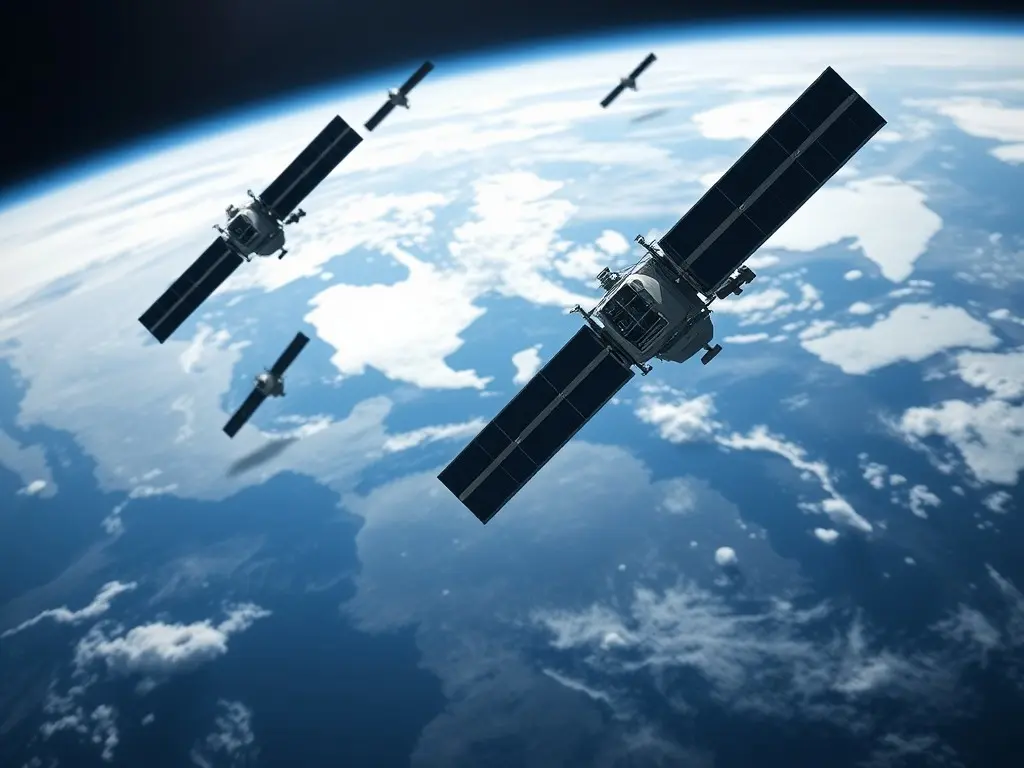
China has developed a space-air-ground-sea integrated monitoring network for ecological and environmental conservation, supported by roughly 150 satellites. The network enables large-scale, high-precision monitoring of major greenhouse gases and gaseous pollutants around the world.
China has developed a comprehensive environmental monitoring network using around 150 satellites. The Ministry of Ecology and Environment leads the effort, utilizing eight operational environmental and atmospheric satellites and coordinating data from over 140 commercial and civilian satellites. A new satellite launched on April 17 enables integrated active and passive greenhouse gas detection, a first internationally. The network performs full-coverage 'health checks' every two months on 3.3 million square kilometers of nature reserves and scans 21,000 kilometers of coastline and 100,000 square kilometers of coastal waters quarterly. The satellites are equipped with hyperspectral sensors to identify atmospheric components and measure trace gases, supporting air pollution control and detecting methane leaks from oil and gas fields, coal mines, and landfills.
This content was automatically generated and/or translated by AI. It may contain inaccuracies. Please refer to the original sources for verification.