China can build humanoids at scale. The hard part is finding enough buyers
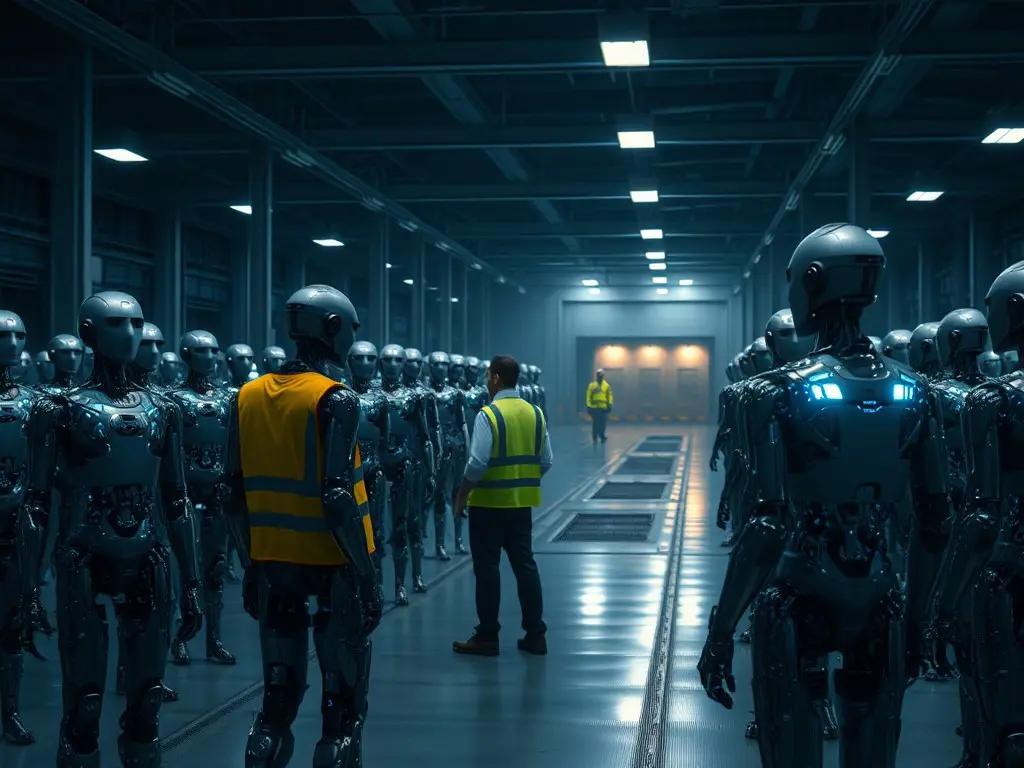
Chinese robotics firms like Matrix Robotics and EngineAI are scaling production of humanoid robots capable of tasks like sorting parcels and performing, but experts warn demand lags behind supply, with most use cases still limited to research or structured environments. The industry faces challenges like high costs, fragility, and a lack of real-world applications, despite China’s dominance in mass production and government-backed orders exceeding 2 billion yuan in 2025.
Chinese humanoid robot manufacturers are ramping up production, but finding buyers remains the biggest challenge. Companies like Shanghai-based Matrix Robotics have secured around 1,000 orders for their MATRIX-3 model, priced at $99,000 each, with plans to deliver 5,000 units this year. Customers include coffee chains and hotels, though the startup has only produced a few hundred units so far. EngineAI, based in Shenzhen, offers humanoids priced at 180,000 yuan ($26,600) for roles like security guards or museum guides, with plans to expand into real-world applications. The Chinese government has warned of a potential industry bubble due to limited commercial use cases. While over 140 manufacturers produced more than 330 humanoid models in 2025, most applications remain in research, state-owned enterprises, or controlled environments like power plants. Experts like Samm Sacks of New America note that humanoids are still too expensive, fragile, and dependent on structured settings for widespread adoption. China leads in mass production and hardware supply, but the U.S. holds an edge in AI-driven computing power for these robots. Morgan Stanley estimates the global humanoid robot market could reach $5 trillion, though demand struggles to match production capacity. Venture capital firms like Gobi Partners highlight the lack of scalable market demand, with many orders coming from government or corporate labs rather than consumer use. Despite challenges, China remains committed to humanoid robotics, with over 2 billion yuan ($295 million) in orders in 2025. However, experts suggest industrial and logistics settings are the most viable near-term applications. The long-term goal—home use for elderly or childcare—remains distant due to technical and economic hurdles. For now, the industry’s growth hinges on proving real-world utility beyond demonstrations.
This content was automatically generated and/or translated by AI. It may contain inaccuracies. Please refer to the original sources for verification.