China Pakistan cooperation drives Pakistan's energy self-reliance
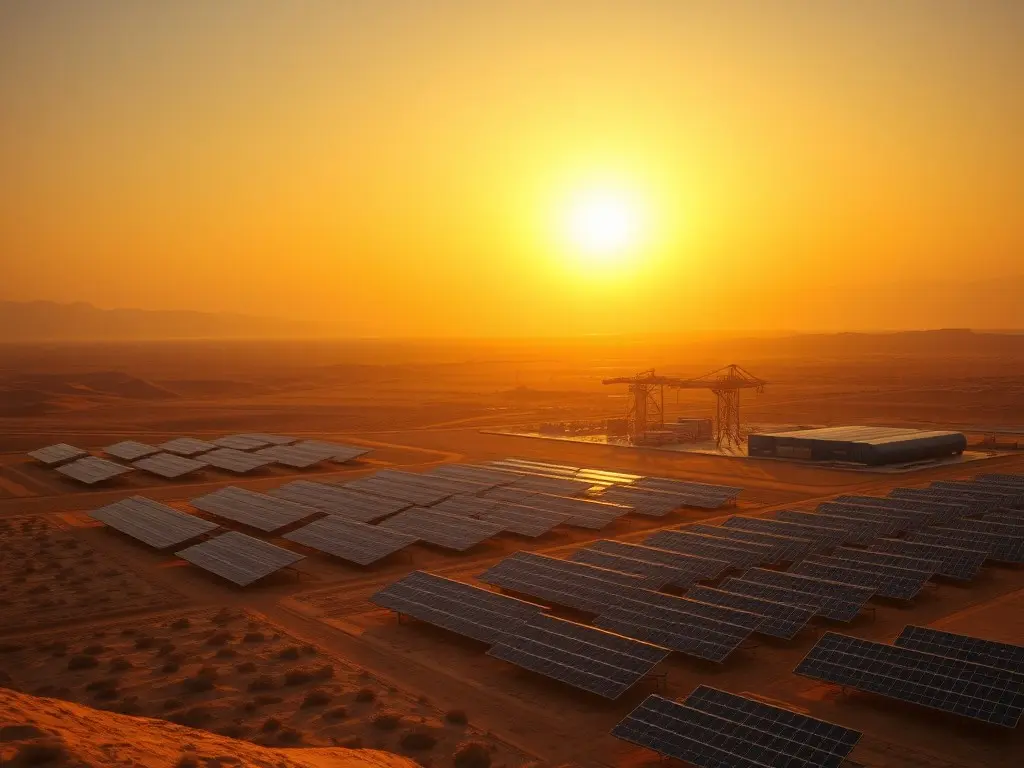
Pakistan’s shift toward renewable energy, driven by Chinese investment, has reduced oil and gas imports by over USD 12 billion and boosted solar capacity to 38 GW, with solar now supplying 25.3% of the national grid. Collaborations with China, including electric vehicle assembly deals and solar panel imports, are accelerating Pakistan’s energy self-reliance and economic growth.
Pakistan’s energy sector is undergoing a rapid transformation through cooperation with China, reducing dependence on fossil fuels and boosting renewable capacity. With 38 GW of solar power installed nationwide, Pakistan has avoided USD 12 billion in oil and gas imports since February 2026, with potential savings of an additional USD 6.3 billion by year-end, according to Renewables First. The shift began over a decade ago, driven by Chinese manufacturing and investments under the China-Pakistan Economic Corridor (CPEC), which added 13 GW of power capacity and ended chronic blackouts that once cut electricity for up to 18 hours daily. Chinese foreign direct investment (FDI) in Pakistan’s power sector reached USD 1,165.7 million in FY 2024–25, with USD 759.4 million allocated to hydroelectric projects. Currently, 60 private renewable projects under the Pakistan Private Power and Infrastructure Board (PPIB) contribute 4,753 MW to the national grid, while low-carbon sources now account for over 64% of total electricity generation in 2025. Solar energy has become Pakistan’s largest power source, rising from fifth place in 2022, with 7,000 MW connected to the grid and an estimated 13,000–14,000 MW operating off-grid. The surge was fueled by affordable Chinese solar panels, which dropped to USD 0.07–0.09 per watt, enabling energy access for urban and semi-urban families while cutting production costs for small and medium enterprises (SMEs). Solar now supplies over 25.3% of Pakistan’s utility electricity, mitigating economic risks from disruptions like the LNG supply collapse and Hormuz blockade. The Green CPEC Alliance conference in March 2026 formalized plans to transition Pakistan from a solar panel importer to a manufacturer, reinforcing energy independence. Additionally, Pakistan and China are collaborating on electric vehicle (EV) adoption, with plans to establish South Asia’s first electric taxi fleet in Islamabad and expand EV assembly through agreements with Beijing Automotive Group (BAIC). These initiatives align with Pakistan’s broader goal of consumer-driven distributed renewable energy, positioning the country as a leader in South Asia’s green energy transition.
This content was automatically generated and/or translated by AI. It may contain inaccuracies. Please refer to the original sources for verification.