China-Pakistan partnership moves beyond infrastructure
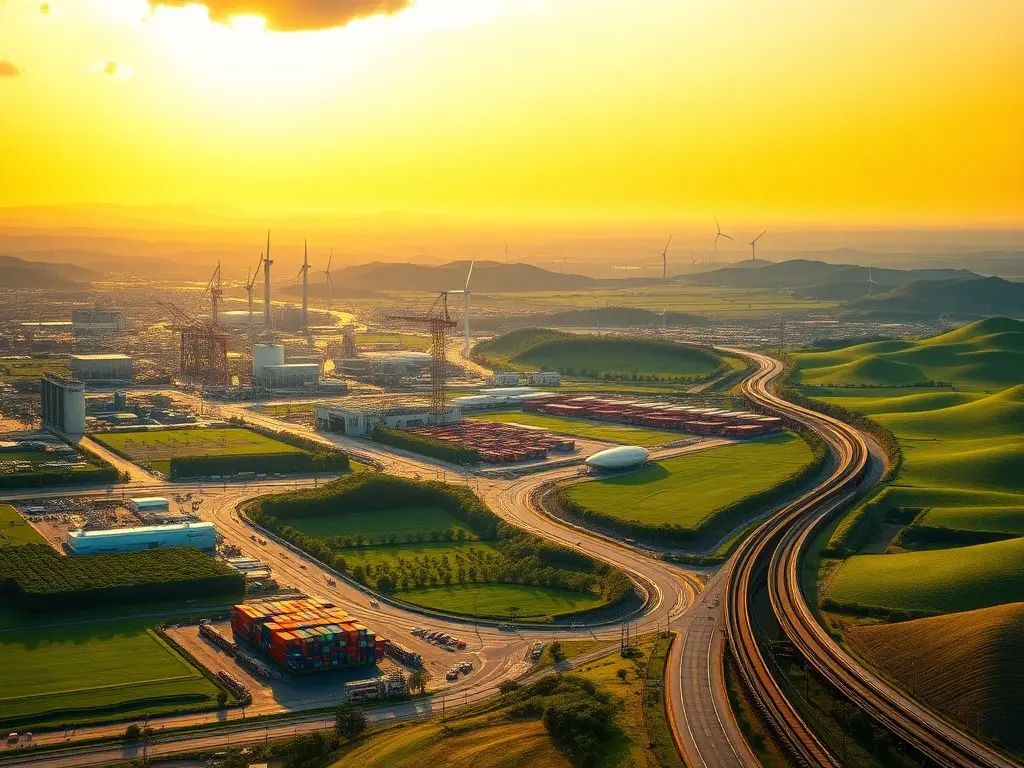
China-Pakistan cooperation under the $62 billion China-Pakistan Economic Corridor (CPEC) has expanded beyond infrastructure, shifting focus to industrial development, digital connectivity, and green cooperation as Phase II prioritizes long-term economic ecosystems. Recent initiatives like special economic zones, 5G networks, and a Pak-China B2B Investment Conference with $8.5 billion in joint ventures reflect this broader strategic resilience between the two nations.
The China-Pakistan Economic Corridor (CPEC), launched in 2015, initially centered on infrastructure projects like power plants, roads, and the Gwadar Port, easing Pakistan’s energy crisis and improving regional connectivity. While Phase I delivered tangible results, the partnership is now evolving into a broader collaboration focused on resilience and long-term economic growth. Under Phase II, CPEC is expanding into industrial development, digital connectivity, and green cooperation, moving beyond physical assets to create institutional ecosystems. Special economic zones are being designed to attract investment, generate employment, and integrate Pakistan into global value chains, while 5G networks, fiber-optic infrastructure, and technology parks signal a shift toward a knowledge-based economy. Cooperation in e-commerce, digital skills, and information technology further underscores this transition, with both nations prioritizing innovation and sustainable development. The recent Pak-China B2B Investment Conference in Beijing saw nearly 800 firms sign joint ventures and memorandums worth approximately $8.5 billion, broadening engagement beyond government-led projects. This shift reflects an effort to build strategic resilience amid geopolitical fragmentation and economic uncertainty, with China gaining additional Indian Ocean access via Gwadar Port. The private sector’s growing role ensures long-term sustainability, marking a deeper, more diversified partnership between the two countries.
This content was automatically generated and/or translated by AI. It may contain inaccuracies. Please refer to the original sources for verification.