China: Pudu unveils semi-humanoid learning robot built to transform factory automation
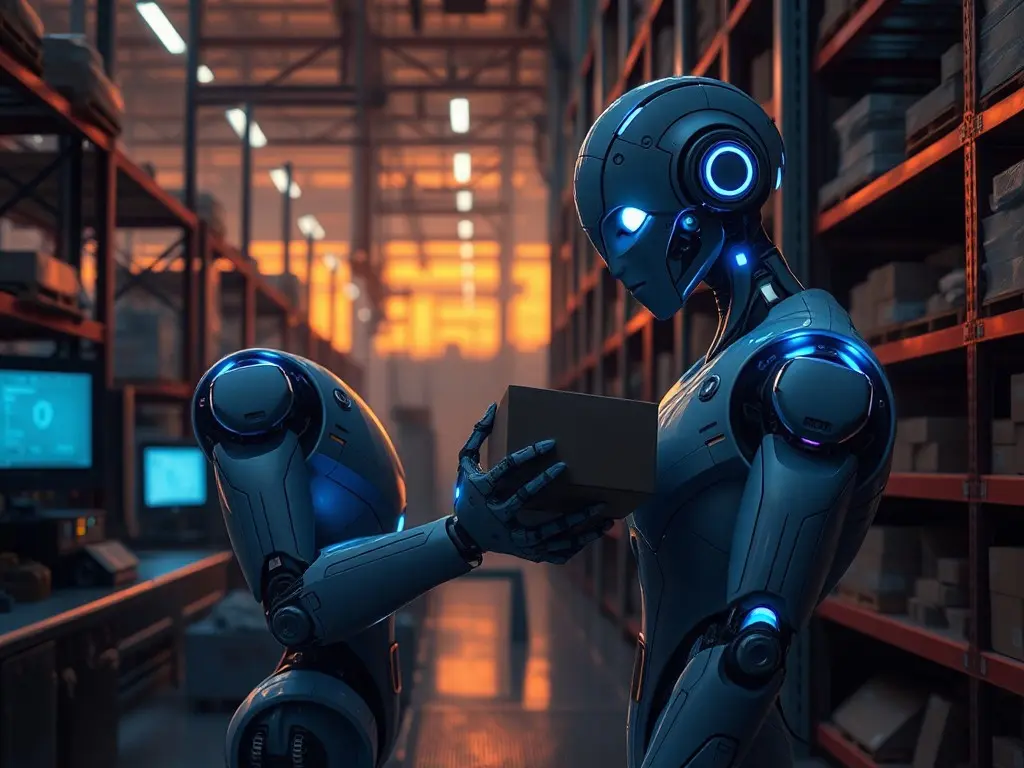
Chinese robotics firm Pudu unveiled its first semi-humanoid robot, the D7, in 2024, combining embodied AI with industrial hardware to enable adaptive learning and flexible automation in factories and warehouses. The robot handles tasks like material transport, shelf picking, and inventory replenishment while improving efficiency through real-time data processing and force-control technology.
Pudu, a Shenzhen-based robotics company, introduced the D7, a semi-humanoid robot designed to revolutionize factory automation. Unlike traditional industrial robots, the D7 integrates embodied AI through its PuduFM 1.0 foundation model, allowing it to learn from real-world tasks and adapt its actions dynamically. It can lift up to 30 pounds (14 kilograms) and operate at heights of 6.5 feet (2 meters), making it suitable for high-rack storage systems. The robot’s architecture includes an end-to-end data collection system that processes operational data in real time, creating a continuous feedback loop for model training and performance optimization. This enables the D7 to refine its understanding of industrial workflows, spatial relationships, and manufacturing processes over time. Its dual robotic arms allow it to perform autonomous tasks such as material handling, inventory replenishment, and internal transportation. For precision tasks like assembly or dispensing, the D7 features advanced tactile sensors that provide millimeter-level force control, adjusting applied force based on material characteristics. This reduces the risk of damage while ensuring stable operation. The robot also includes dual LiDAR systems and a perception suite to navigate safely through dynamic industrial environments, detecting obstacles and adapting to route changes. Pudu claims the D7 improves efficiency in warehouses, factories, and logistics by eliminating the traditional separation between movement and operation. Its unified action framework enables seamless execution of complex, multi-step tasks, such as pushing carts and handling delicate items. The company highlights the robot’s ability to evolve through real-world experience rather than relying solely on pre-programmed instructions.
This content was automatically generated and/or translated by AI. It may contain inaccuracies. Please refer to the original sources for verification.