China’s AI is truly artifical – and the US must fight Xi’s zero-sum tech race and stolen advancements
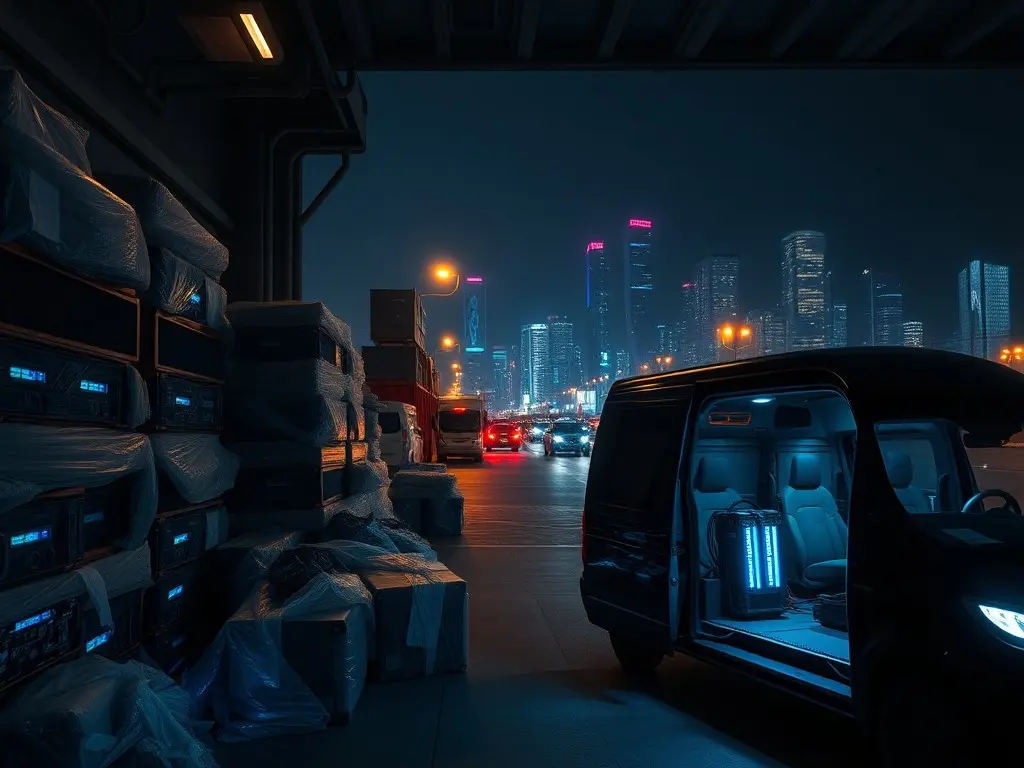
The White House accused China of 'industrial-scale' theft of U.S. AI advancements through 'distillation,' where Chinese labs use fake accounts to extract data from U.S. models like Anthropic’s Claude, while U.S. prosecutors uncovered a smuggling ring moving billions in restricted Nvidia chips to China despite sanctions. Beijing blocked Meta’s $2 billion takeover of AI startup Manus and prevented its founders from leaving the country, signaling intensified control over domestic AI innovation ahead of a Trump-Xi summit.
The U.S. government has accused China of systematically stealing AI technology through a process called 'distillation,' where Chinese entities create thousands of fake accounts to extract data from advanced U.S. AI models. Anthropic detected 24,000 fraudulent accounts generating 16 million interactions with its Claude chatbot, warning that distilled models lack safeguards against misuse, such as bioweapon development or cyberattacks. A leaked White House memo attributed these efforts to 'deliberate, industrial-scale campaigns' by Chinese labs to acquire capabilities faster and cheaper. Meanwhile, U.S. prosecutors disrupted a global smuggling network moving billions in restricted Nvidia AI chips to China, bypassing sanctions. Indictments revealed servers containing high-value chips were shipped to Southeast Asian front companies before being repackaged for Hong Kong and mainland China. One defendant used a hair dryer to alter labels, highlighting the low-tech methods employed in this high-stakes operation. Beijing has also tightened control over domestic AI innovation, blocking Meta’s $2 billion acquisition of Chinese AI startup Manus and preventing its founders from leaving the country. The Chinese Communist Party (CCP) appears determined to protect its AI advancements ahead of this week’s summit between Donald Trump and Xi Jinping, where Trump’s focus on Iran may limit his ability to counter China’s aggressive tech strategies. The dispute extends beyond economic competition, framing AI supremacy as a defining global battle. Xi has framed the race as a 'zero-sum' contest, while U.S. officials warn that China’s reliance on stolen advancements poses long-term national security risks. The conflict underscores deepening tensions in the tech sector, with both nations prioritizing control over AI development.
This content was automatically generated and/or translated by AI. It may contain inaccuracies. Please refer to the original sources for verification.