China’s EV giants challenge Tesla in race to commercialise humanoid robots
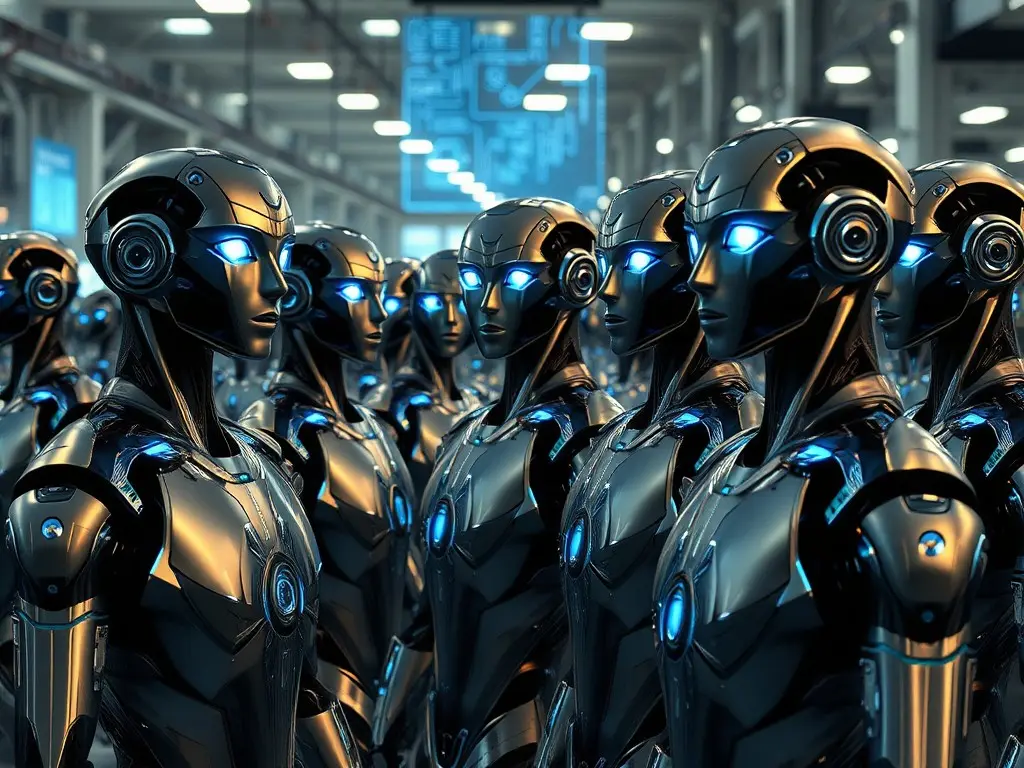
Chinese EV manufacturers BYD and Xpeng are accelerating plans to mass-produce humanoid robots, leveraging AI advancements to enter a new market beyond transportation. BYD’s executive vice-president Stella Li stated the company expects China to be the first to fully commercialize humanoid robots, though a production timeline remains unspecified.
Chinese electric vehicle (EV) makers BYD and Xpeng are expanding their rivalry with Tesla into the humanoid robotics sector, aiming to mass-produce AI-powered robots. The move aligns with China’s broader strategy to dominate next-generation mobility and robotics, positioning the country as a key player in this emerging industry. Stella Li, BYD’s executive vice-president, emphasized the company’s heavy investment in artificial intelligence and its confidence in China becoming the first market to fully commercialize humanoid robots. While BYD plans to distribute robots through its global dealer network, no specific timeline for mass production has been provided. The push into humanoid robotics follows years of competition between Chinese automakers and Tesla in electric vehicles and autonomous driving technology. Analysts view this sector as the next major battleground between Beijing and Washington, reinforcing China’s role as a global leader in advanced manufacturing. BYD’s focus on humanoid robots, including models like Optimus, reflects its broader ambition to integrate AI-driven automation across industries. The company’s strategy leverages its existing infrastructure, including its global dealer network, to accelerate market entry. While Tesla has also explored humanoid robotics with projects like Optimus, Chinese firms are positioning themselves to lead in commercialization. The race underscores China’s determination to maintain technological dominance in high-growth sectors beyond traditional automotive markets.
This content was automatically generated and/or translated by AI. It may contain inaccuracies. Please refer to the original sources for verification.