China’s Free Ride at Hormuz
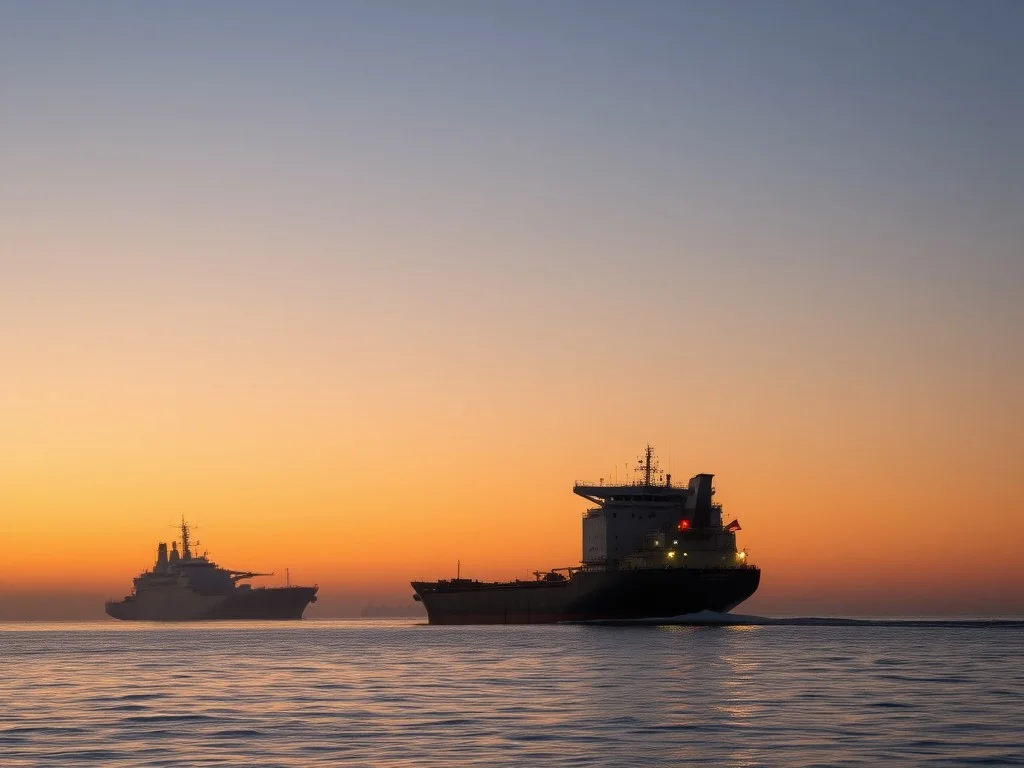
The Strait of Hormuz has become a geopolitical fault line, with China's oil shipments from Iran continuing to move with relative resilience despite tensions. China's calculated neutrality on the Hormuz crisis allows it to maintain open channels with all major stakeholders while avoiding entanglement in their conflicts.
The Strait of Hormuz is a critical maritime corridor with nearly a fifth of global oil flowing through it. Tensions between Iran, Israel, and the US have led to shipping slowdowns and rising insurance costs. Chinese-linked oil shipments from Iran have continued to move with relative resilience. China's public posture on the Hormuz crisis reflects calculated neutrality, emphasizing de-escalation and multilateral dialogue. However, this neutrality allows China to externalize the costs of security while internalizing the benefits of stability. China's deepening engagement with the Strait of Hormuz is driven by energy dependence, with a significant share of its crude oil imports transiting through the strait.
This content was automatically generated and/or translated by AI. It may contain inaccuracies. Please refer to the original sources for verification.