China's next export shock walks on two legs - and costs less than a used car
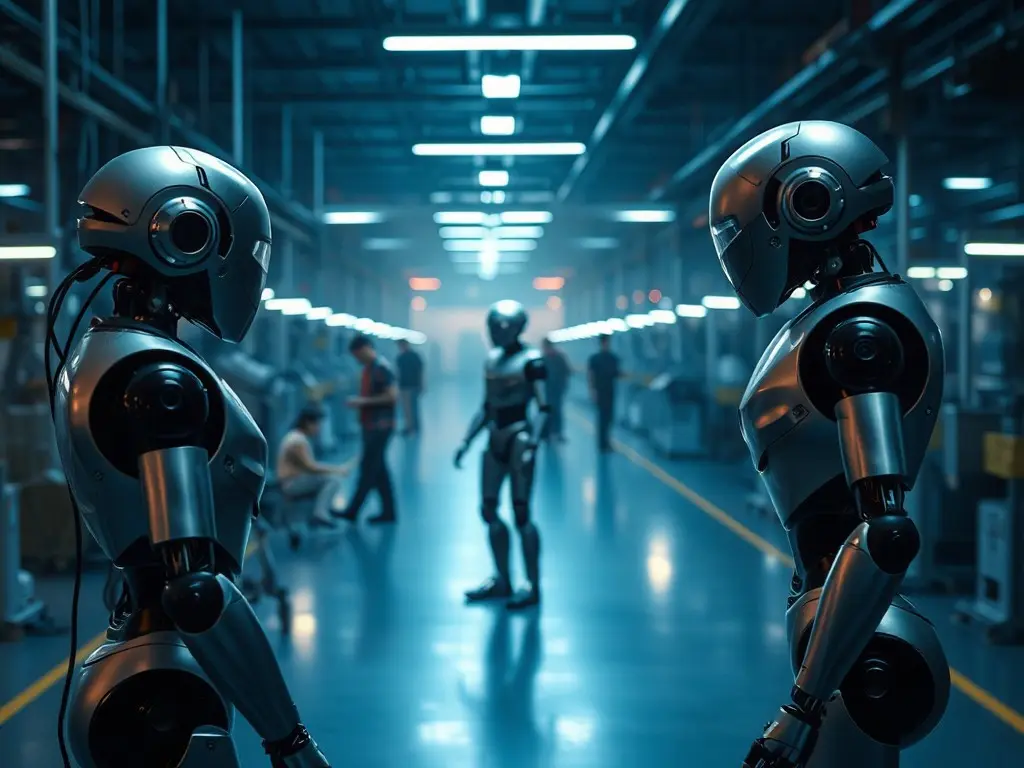
China is investing tens of billions of dollars to achieve mass production of humanoid robots by 2025, aiming to slash factory costs and counter labor shortages. Government-linked purchases of these robots surged to $31.5 million in 2024, with models like Unitree Robotics’ G1 priced as low as $13,500, targeting repetitive tasks in manufacturing and logistics.
China is aggressively pursuing humanoid robotics as a new industrial frontier, with the Ministry of Industry and Information Technology targeting mass production by 2025 and positioning them as an economic growth engine by 2027. The push comes as China’s workforce shrinks, wages rise, and manufacturers face pressure from tariffs and global competition. To accelerate adoption, Beijing is funding deployments through state-backed buyers, with procurement orders jumping to $31.5 million in 2024—up from just $693,000 the prior year. Startups like AgiBot and MagicLab are benefiting from this support, while companies such as Unitree Robotics offer humanoid robots for as little as $13,500. At this price point, the robots don’t need to be flawless—they only need to handle repetitive tasks in warehouses, factories, and logistics to alter labor economics. The International Federation of Robotics notes China already leads in industrial automation, with 2 million operational robots, but cautions mass humanoid adoption as universal workers remains unlikely in the near term. The strategy mirrors China’s earlier success in electric vehicles, where state subsidies and market access fueled global dominance. Humanoid robots could similarly reshape manufacturing by making Chinese production cheaper and harder to displace. While challenges remain, the rapid scaling of government-backed purchases signals a shift toward automating labor-intensive processes, reinforcing China’s position as a leader in next-generation industrial technology.
This content was automatically generated and/or translated by AI. It may contain inaccuracies. Please refer to the original sources for verification.