China's passenger car exports surge nearly 85% in April as domestic sales slump
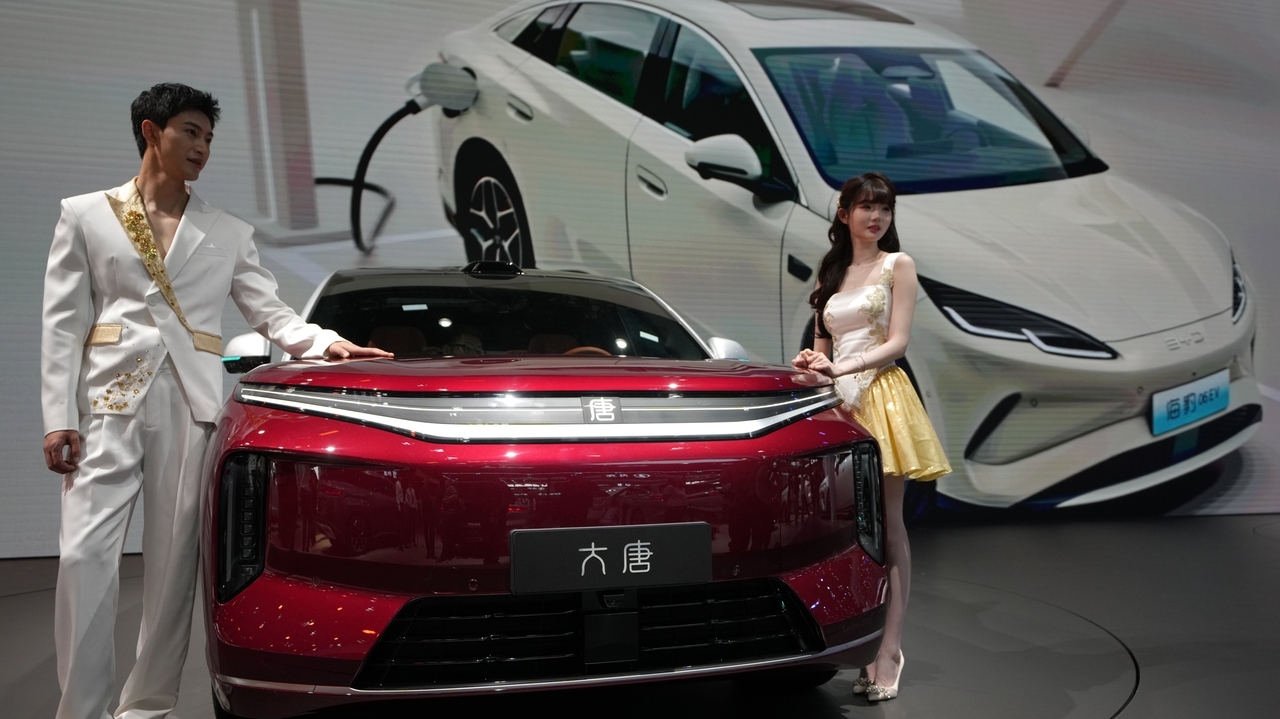
China’s passenger car exports rose 85% in April to 796,000 vehicles, with new energy vehicles (including EVs) up 120% to 420,000 units, while domestic sales fell 25.5% to 1.3 million. Analysts link the shift to reduced government subsidies, economic uncertainty, and global demand for EVs amid high fuel prices, with brands like BYD expanding overseas production.
China’s passenger car exports jumped nearly 85% in April, reaching 796,000 vehicles, according to the China Association of Automobile Manufacturers. Exports of new energy vehicles—including battery electric vehicles and plug-in hybrids—surged over 120% to 420,000 units. Meanwhile, domestic sales dropped 25.5% year-over-year to 1.3 million vehicles, marking six consecutive months of decline. The slowdown in domestic demand stems from reduced government subsidies for new energy vehicles and economic uncertainty tied to China’s property sector downturn. Analysts suggest sales may stabilize later this year as new models launch and consumers adapt to subsidy changes. Chinese automakers are accelerating global expansion, with brands like BYD and Geely Auto building factories in Europe and Latin America. Rising fuel prices, exacerbated by the Iran conflict, are driving global interest in EVs—one in six new vehicles sold in Australia in April was electric, with BYD ranking as the second-best-selling brand. China’s overall passenger car exports are projected to grow 20% by 2026, with Southeast Asia a key market. Trade negotiations with the EU and Canada on EV imports are progressing, though U.S. restrictions remain a hurdle after a 100% tariff blocked Chinese EVs from entering the U.S. in 2024.
This content was automatically generated and/or translated by AI. It may contain inaccuracies. Please refer to the original sources for verification.