China's wholesale inflation hits near 4-year high in May as Iran war and AI boom push up costs
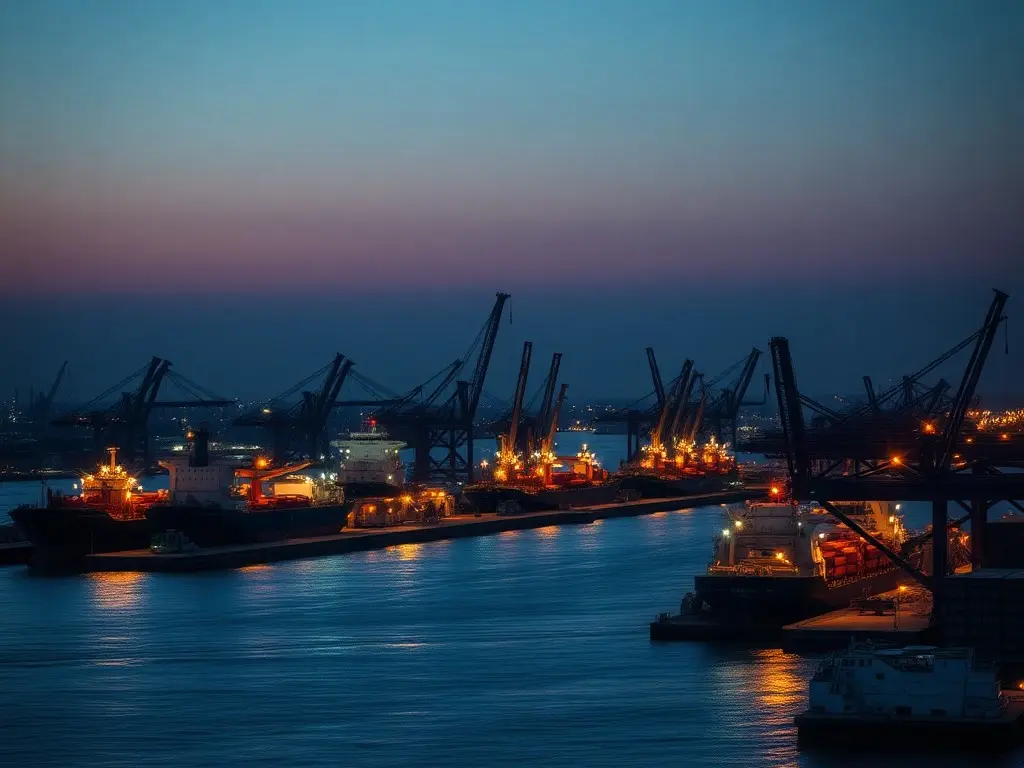
China’s producer price index (PPI) surged 3.9% in May 2026, the fastest rise since July 2022, driven by Iran war-related supply disruptions and soaring AI demand for chips and tech equipment. Consumer inflation remained subdued at 1.2%, while exports grew 19.4%, highlighting a divide between industrial gains and cautious household spending.
China’s factory costs rose sharply in May 2026 as global tensions and domestic demand reshaped its economy. The producer price index (PPI) climbed 3.9% year-over-year, the highest increase since July 2022, outpacing economist forecasts. The surge stemmed from two key factors: the Iran war disrupting oil and commodity shipments through the Strait of Hormuz, and China’s AI boom driving up demand for semiconductors, servers, and advanced computing hardware. The conflict in Iran pushed crude oil and raw material prices higher, straining manufacturers already adapting to China’s AI infrastructure push. Meanwhile, consumer inflation held steady at 1.2%, slightly below expectations, reflecting cautious spending habits despite economic improvements. Households remained hesitant, with consumer prices even dipping 0.1% month-over-month. China mitigated some energy cost pressures by tapping strategic oil reserves and expanding renewable energy capacity. Customs data showed crude oil imports dropped nearly 20% since the Iran war escalated, reducing vulnerability to price spikes. However, exports surged 19.4% year-over-year in May, the strongest growth in three months, fueled by demand for renewable energy products, batteries, and AI-related goods. The latest data underscores a growing economic divide in China. While exporters and tech firms benefit from global AI investment and strong demand, consumers continue to tighten spending due to economic uncertainty. The contrast between industrial cost pressures and restrained household consumption suggests uneven recovery across sectors. Government efforts to stabilize energy markets and boost domestic demand remain critical as China navigates geopolitical risks and technological transitions. The PPI rise signals persistent inflationary pressures, particularly in manufacturing, while export growth offers a counterbalance amid sluggish consumer activity.
This content was automatically generated and/or translated by AI. It may contain inaccuracies. Please refer to the original sources for verification.