Chinese Automakers Are Building A Quiet Presence In The U.S. Despite The Fact They Can't Sell Anything Here
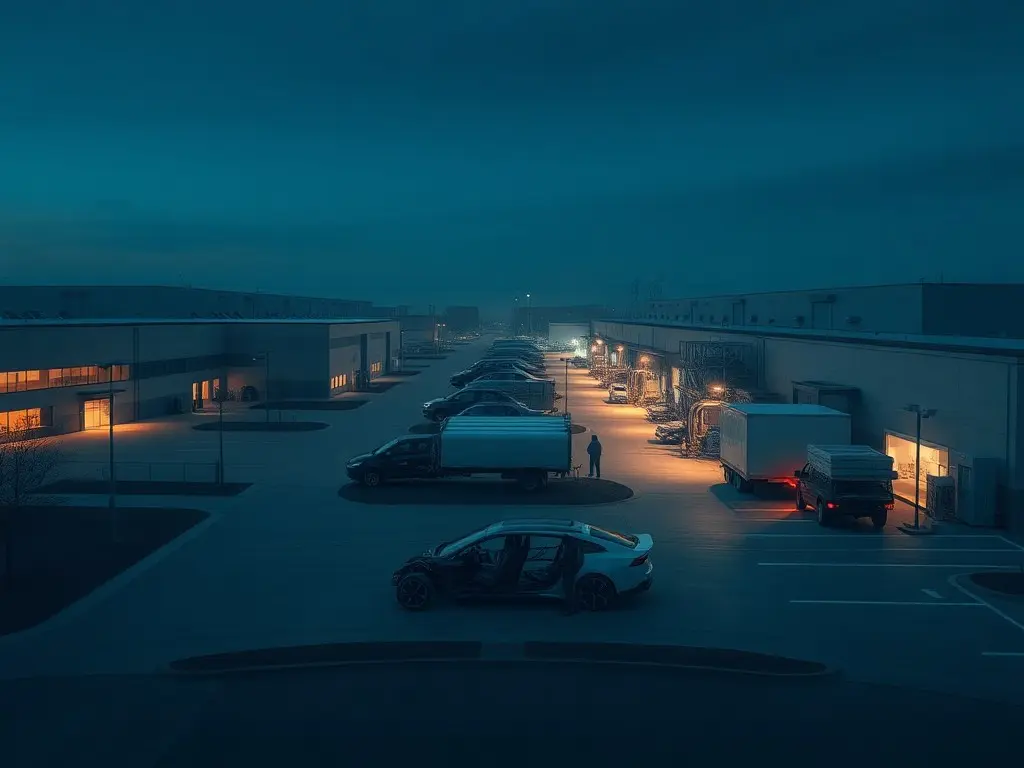
Chinese automakers like SAIC, Nio, BYD, and others are maintaining low-key offices, research centers, and manufacturing operations in the U.S. despite being blocked from selling vehicles due to 102.5% tariffs, positioning themselves for potential market entry if regulations ease. Their presence focuses on talent acquisition, supply chain access, and industry insights, though direct contact with these operations remains difficult as they avoid public engagement or media interaction.
Chinese automakers are quietly establishing a presence in the U.S. through offices, research centers, and limited manufacturing, despite the inability to sell vehicles due to 102.5% tariffs. Companies like Shanghai Automotive Industry Corp. (SAIC), Nio, BYD, Chery, Geely, Great Wall Motors, Karma Automotive, Li Auto, and Xpeng maintain operations in cities such as Detroit and San Jose, but avoid media contact, industry conferences, and auto shows—except for CES in Las Vegas. SAIC’s office in a Detroit-area building remains locked and inaccessible, with no public phone directory or contact details available. Nio’s research center in San Jose routes calls to a generic voicemail, and Li Auto’s planned Silicon Valley facility lacks any verifiable location or contact information. Multiple attempts to reach other automakers’ U.S. operations went unanswered. Analysts suggest these operations serve as strategic outposts to monitor U.S. industry trends, recruit talent, and integrate into local supply chains. Stephen Dyer of AlixPartners notes that Chinese firms are positioning themselves to capitalize on potential regulatory shifts, such as Canada’s recent deal to allow 49,000 Chinese-made vehicles at reduced tariffs—a move that could ease U.S. market entry due to aligned safety and emissions standards. Even without direct sales, the U.S. presence allows Chinese automakers to observe competitors, adapt to evolving technologies, and prepare for future expansion. However, their reluctance to engage publicly underscores the challenges of navigating U.S. trade barriers and political sensitivities around Chinese market access.
This content was automatically generated and/or translated by AI. It may contain inaccuracies. Please refer to the original sources for verification.