Chinese scientists create glow-in-the-dark plants that could transform sustainable urban lighting
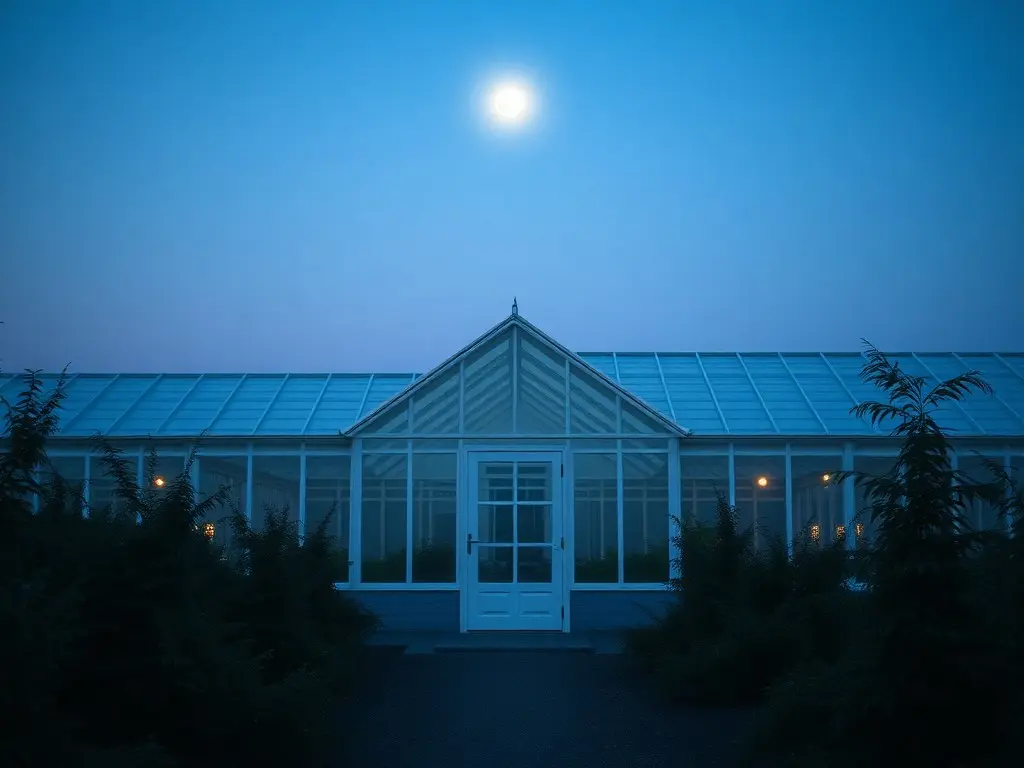
Chinese researchers engineered glow-in-the-dark plants by integrating fungal bioluminescence pathways, creating species like tobacco and roses that emit light autonomously, while Zhejiang University developed rechargeable luminescent succulents using phosphors for multicolored emissions. These innovations aim to revolutionize sustainable urban lighting by reducing reliance on artificial sources, though challenges like scalable transformation methods remain unresolved.
Chinese biotechnology researchers have developed plants capable of glowing in the dark by introducing fungal bioluminescence pathways into their metabolic systems. The team engineered over six species, including Nicotiana tabacum (tobacco), Arabidopsis thaliana, and Rosa rubiginosa (rose), to produce visible light without external electricity. This breakthrough relies on biochemical reactions converting chemical energy into light, similar to fireflies and glowing fungi, offering potential for low-energy urban lighting in parks and public spaces. Separately, scientists at Zhejiang University created multicolored luminescent succulents using micrometer-sized phosphors that store and emit light after charging via sunlight or LEDs. The plants emit green, red, blue, and violet light for up to two hours, with a wall of 56 succulents providing enough illumination for reading in darkness. The study, published in *Matter*, confirmed these plants retain normal growth while functioning as renewable light-storage systems. The technology builds on earlier research using caffeic acid—a naturally occurring plant compound—to sustain light production. Researchers emphasize the dual benefits of reducing artificial lighting dependence and integrating living organisms into urban infrastructure. However, challenges like tissue-culture-free transformation methods, such as 'Cut-dip-budding,' must be addressed before widespread adoption. While glowing jungles remain speculative, the advancements suggest practical applications in sustainable urban design, tourism, and environmental technology. The fusion of biotechnology and material science could redefine how cities harness natural resources for lighting solutions.
This content was automatically generated and/or translated by AI. It may contain inaccuracies. Please refer to the original sources for verification.