Cities are getting hotter – and bigger. New research reveals the scale of the challenge
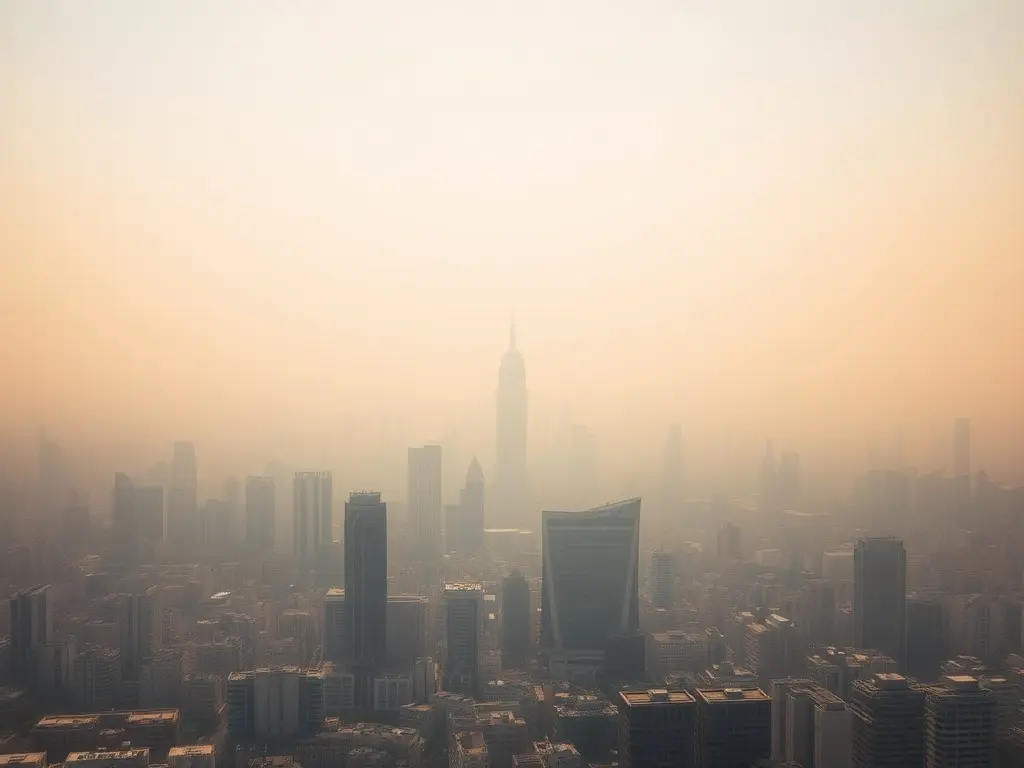
New research suggests that bold climate action could spare billions of people from severe heatwaves, with 4 billion urban residents potentially facing extreme heat in a high-end warming scenario. Every degree of warming avoided could reduce exposure to extreme heat for around 2.5 billion urban residents.
Climate change is projected to increase heat extremes, with severe impacts on urban populations. Research examined warming levels based on existing emissions pledges, ranging from 1.9C to 3.1C above pre-industrial levels. At 3.1C, approximately 4 billion urban residents could face unprecedented heat extremes occurring once a decade. In contrast, 1.9C of warming would expose around 1 billion people to such heat. The most vulnerable populations, including the young and old, are often least equipped to adapt. Regions such as South and Southeast Asia are expected to be heavily affected due to rapid urbanization and the urban heat island effect.
This content was automatically generated and/or translated by AI. It may contain inaccuracies. Please refer to the original sources for verification.