Climate change increasing Northern Ontario cattle herds
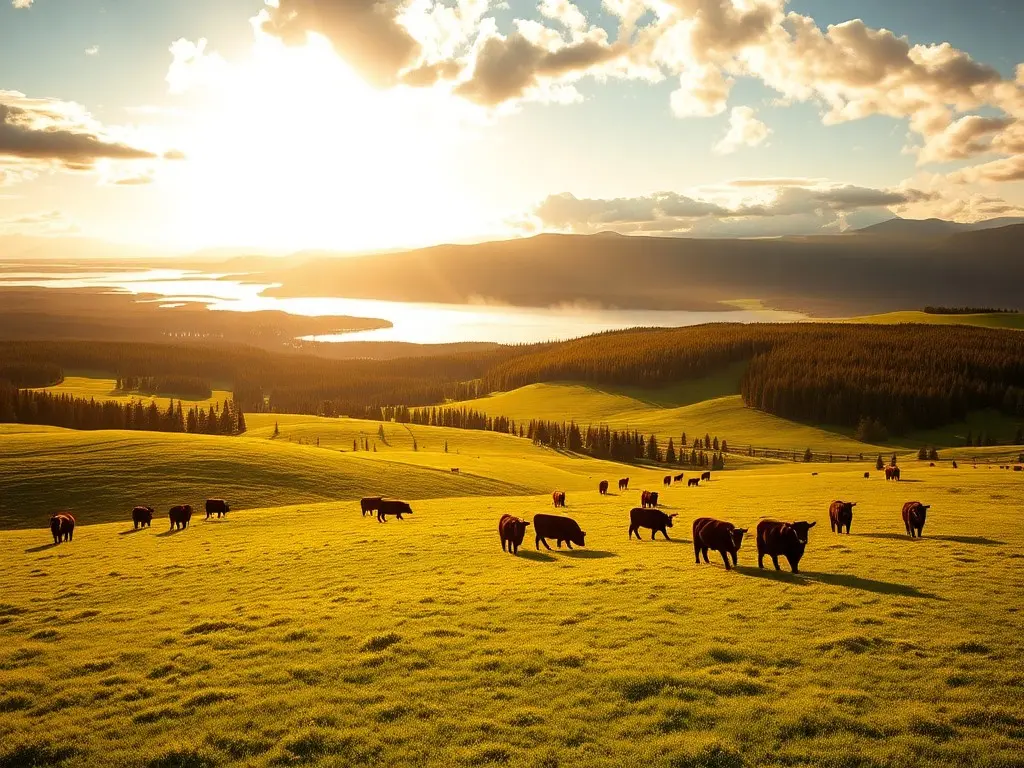
Northern Ontario and other northern regions of Canada are seeing cattle herd growth as warmer temperatures and improved growing conditions create opportunities, while southern provinces like Alberta, Saskatchewan, and Manitoba continue to face severe droughts and shrinking herds. The national cattle herd grew modestly by 2.5% in early 2026, but beef prices remain 23% above the five-year average due to prolonged climate pressures and delayed market supply recovery.
Canada’s cattle industry is experiencing a shift as northern regions, including Northern Ontario, become more viable for cattle farming due to climate change. While southern provinces like Alberta, Saskatchewan, and Manitoba struggle with severe droughts—leading to record drought insurance payouts of $326.5 million in Alberta alone in 2023—northern areas like Sudbury, Nipissing, and Cochrane are seeing herd expansion. The Peace Region along the Alberta-B.C. border and northeast Saskatchewan are also benefiting from longer growing seasons, allowing for increased feed crop production. The national cattle herd grew by 2.5% in early 2026, marking the first increase after eight years of decline, though experts call it a modest rebound. Brenna Grant, executive director of CanFax, notes that climate pressures—including extreme weather events like droughts and flooding—have strained pasture conditions, reducing hay availability and slowing herd recovery. Jason Leblond, president of Beef Farmers of Ontario, says northern regions are better suited for cattle due to milder temperatures and improved land use, but price relief for consumers remains years away. Despite the progress, beef prices remain 23% above the national five-year average, the highest increase among food categories in 2025, according to Dalhousie University research. Farmers in southern Ontario, including Trenton and Belleville, also faced drought challenges in 2025, exacerbating feed shortages and water scarcity. Leblond warns that even with northern herd growth, it will take two years for increased supply to reach store shelves, delaying price reductions. Northern Ontario’s cattle industry was once dormant, with derelict farms in the early 2000s, but warmer conditions have revived production. Mike Tulloch, a cattle farmer in northeastern Ontario, observed the shift firsthand, noting that climate changes have made the region more productive for beef cattle. While the transition offers long-term potential, the immediate impact on national beef prices remains limited, leaving farmers and consumers alike in a period of uncertainty.
This content was automatically generated and/or translated by AI. It may contain inaccuracies. Please refer to the original sources for verification.