Climate change is supercharging hurricane rainfall, contributing to deadly floods
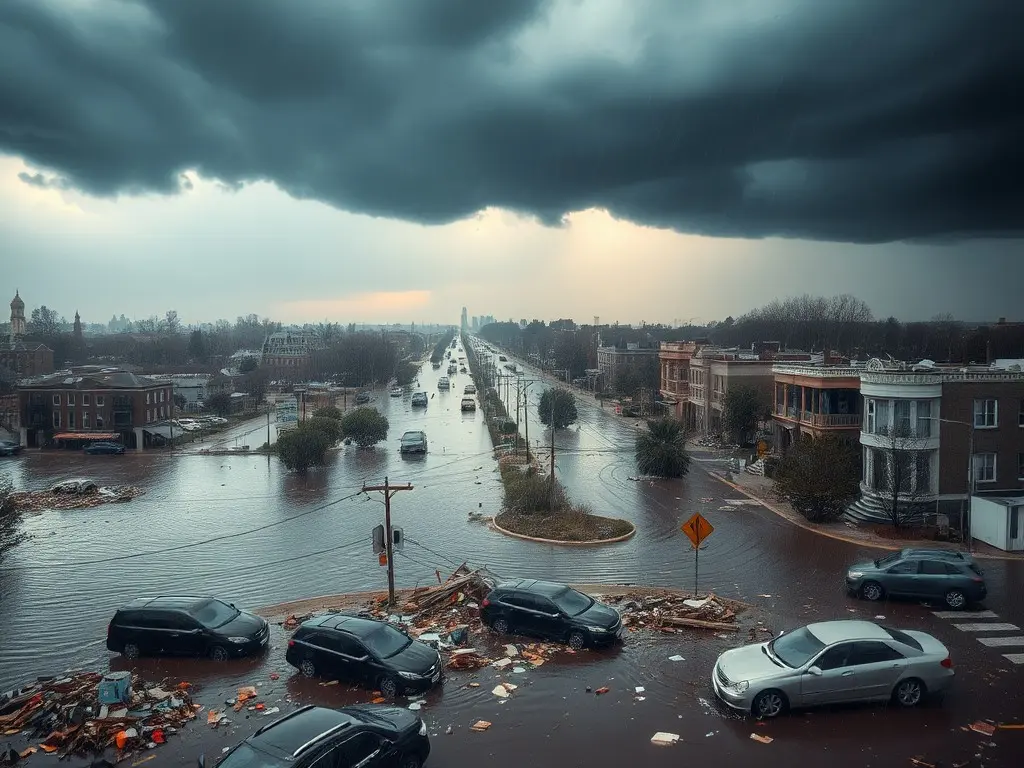
Climate change is causing hurricanes to dump more rain, leading to deadly floods, as warmer atmospheres can hold more water vapor, and studies have found that climate change worsened the rainfall of recent hurricanes. The frequency and magnitude of extreme precipitation events are increasing, making the 20th-century definitions of a one-in-100-year storm outdated.
Climate change is supercharging hurricane rainfall, contributing to deadly floods. Warmer atmospheres can hold more water vapor, with every one degree Celsius of ocean warming leading to about 7% more water vapor in saturated air. This increase in atmospheric water vapor causes a larger increase in hurricane rainfall, as the extra heat energy retained by water vapor is released when it condenses into rain, powering the hurricane. Studies have found that climate change worsened the rainfall of recent hurricanes, such as Hurricanes Harvey, Helene, and Melissa. The area of the U.S. experiencing a four-inch tropical cyclone rainfall event at least once every 25 years has increased by 70% from 1949-2018. Rarer but more destructive extreme rainfall events of at least eight inches saw a greater than 10-fold increase in area.
This content was automatically generated and/or translated by AI. It may contain inaccuracies. Please refer to the original sources for verification.