Climate change threatens food, national security — FG
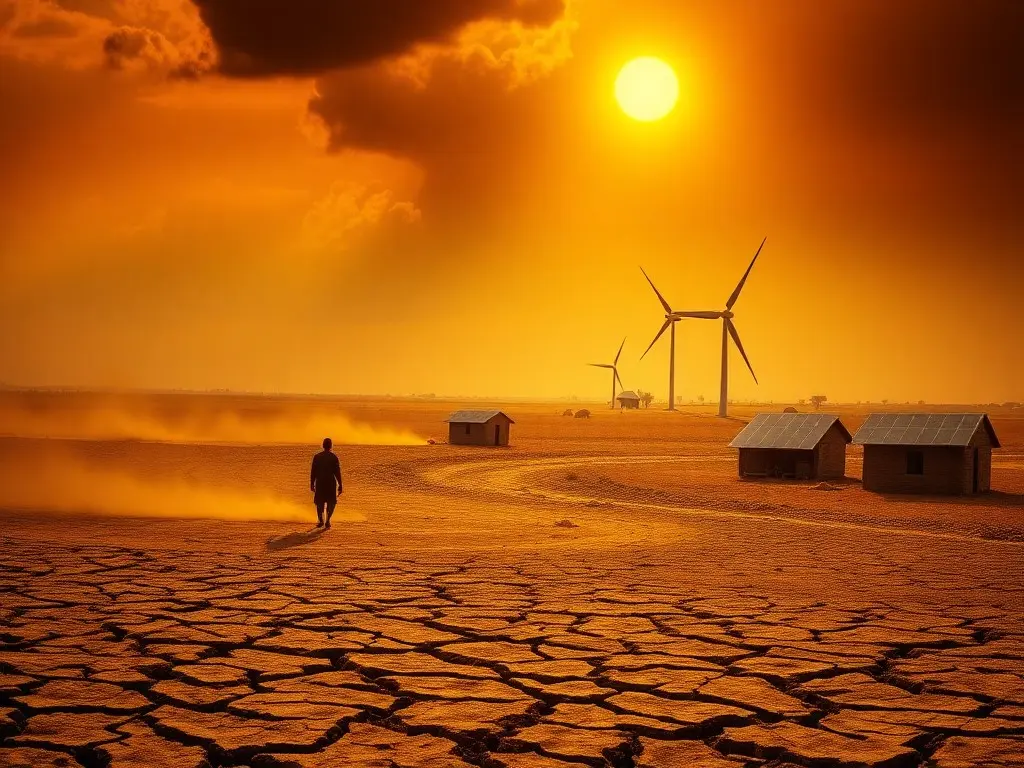
Nigeria’s Federal Government warned climate change threatens food security, livelihoods, and national security, urging sustainable practices and highlighting existing vulnerabilities despite minimal greenhouse gas contributions. The government outlined commitments to reduce emissions by 29% unconditionally and 52% with international support by 2030, targeting net-zero emissions by 2060, while emphasizing initiatives like the Climate Change Act 2021 and National Adaptation Plan.
Nigeria’s Federal Government has issued a warning that climate change poses severe risks to food security, livelihoods, and national security, calling for urgent climate action. During a dialogue organized by the C-Circle Foundation for secondary school students to mark World Environment Day 2026, the Director of the Department of Climate Change, Iniobong Abiola-Awe, stated climate change is the defining challenge of the current generation. Rising temperatures, extreme weather, and biodiversity loss threaten food availability, water access, and public health, she said. Nigeria faces disproportionate climate vulnerability despite contributing minimally to global greenhouse gas emissions, Abiola-Awe noted. The government has committed to reducing emissions by 29% unconditionally and 52% with international support by 2030, aiming for net-zero emissions by 2060. Key interventions include the Climate Change Act 2021, the Energy Transition Plan, the Great Green Wall Initiative, and the National Adaptation Plan to build resilience and promote sustainable development. The event’s organizer, Dr. Chimere Ohajinwa of the C-Circle Foundation, highlighted visible climate impacts across Nigeria, including rising temperatures, erratic rainfall, flooding, and drought. These changes worsen socio-economic challenges, particularly in agriculture, leading to food inflation and conflicts between farmers and herders. Displaced communities often end up in internally displaced persons (IDP) camps, exacerbating instability. Ohajinwa emphasized this year’s dialogue format encouraged collaborative problem-solving rather than traditional debates. She urged young participants to drive climate action, framing them as current agents of change rather than future leaders. The event aimed to raise environmental awareness among students, aligning with the 2026 World Environment Day theme of climate change and sustainable futures.
This content was automatically generated and/or translated by AI. It may contain inaccuracies. Please refer to the original sources for verification.