Climate Change Will Make Super El Nino Especially Severe, Scientists Warn
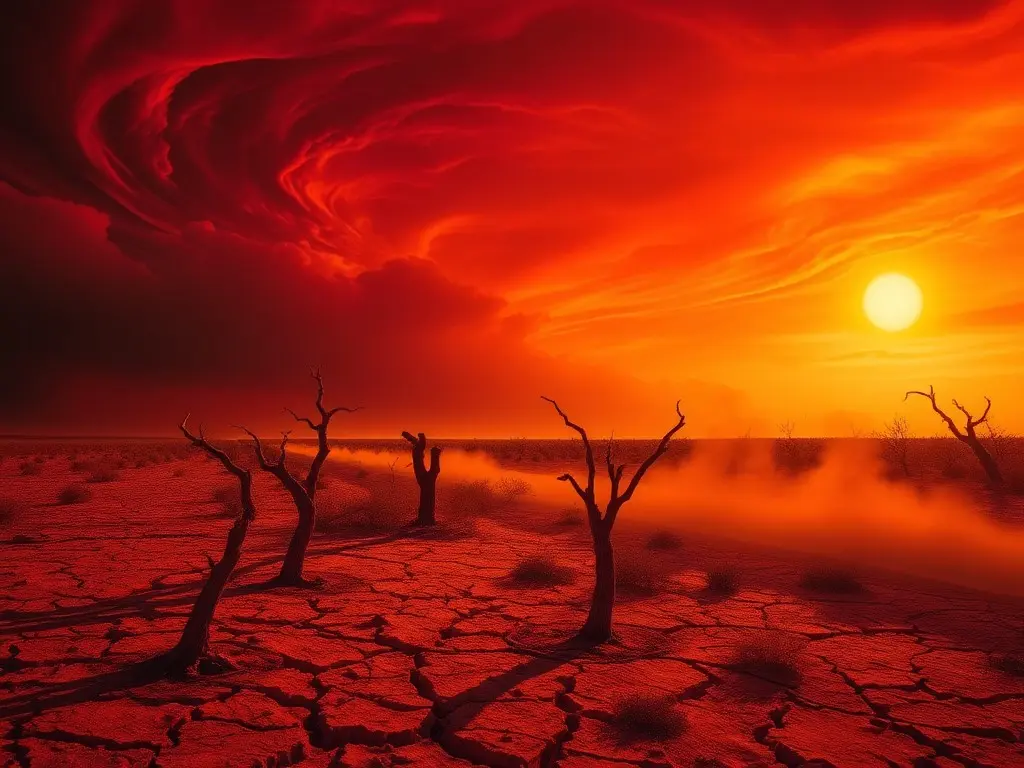
The World Meteorological Organization (WMO) warns an 80% chance of El Niño forming by August, lasting until November, with climate change intensifying its impacts, potentially making 2027 the hottest year on record. Scientists highlight risks of extreme droughts, floods, and heatwaves, citing past disasters like Brazil’s 2024 floods as a warning for this year’s stronger-than-usual El Niño.
The World Meteorological Organization (WMO) has issued a warning that El Niño has an 80% chance of forming between June and August and a 90% chance of lasting until at least November. This natural weather pattern, occurring every two to seven years, involves warmer Pacific waters, leading to higher global temperatures, disrupted rainfall, and intensified hurricanes. The WMO forecasts suggest a strong El Niño is possible, with sea surface temperatures in the eastern Pacific reaching at least 1.5 degrees Celsius above average. Climate change has already raised global temperatures by 1.3 degrees Celsius since pre-industrial times, amplifying El Niño’s effects—resulting in more severe heatwaves, droughts, floods, and disasters like bushfires and crop failures. Piers Forster, Professor of Physical Climate Change at the University of Leeds, explained that climate change intensifies El Niño’s impact, making extreme weather events more frequent and severe. The WMO has cautioned that 2027 could surpass 2024 as the hottest year on record due to this combination. Regional impacts vary, with southern South America and parts of Central Asia typically experiencing increased rainfall, while Central America and Australia face drying conditions. Europe and other distant regions may also suffer intensified heatwaves. In 2024, El Niño contributed to deadly floods in Rio Grande do Sul, Brazil, displacing 600,000 people and killing over 180. Francisco Aquino, head of the University of Rio Grande do Sul’s climate center, warned that a strong El Niño this year could replicate or worsen those disasters. Southern Africa may also face prolonged droughts, reducing hydropower and harming agriculture, as climate change exacerbates below-normal rainfall patterns. The WMO’s warning underscores the urgent need for global preparedness, as climate change and El Niño combine to create unprecedented risks for communities worldwide.
This content was automatically generated and/or translated by AI. It may contain inaccuracies. Please refer to the original sources for verification.