Climate disasters don’t just destroy homes, they change lives forever. We spoke with cyclone survivors in Zimbabwe
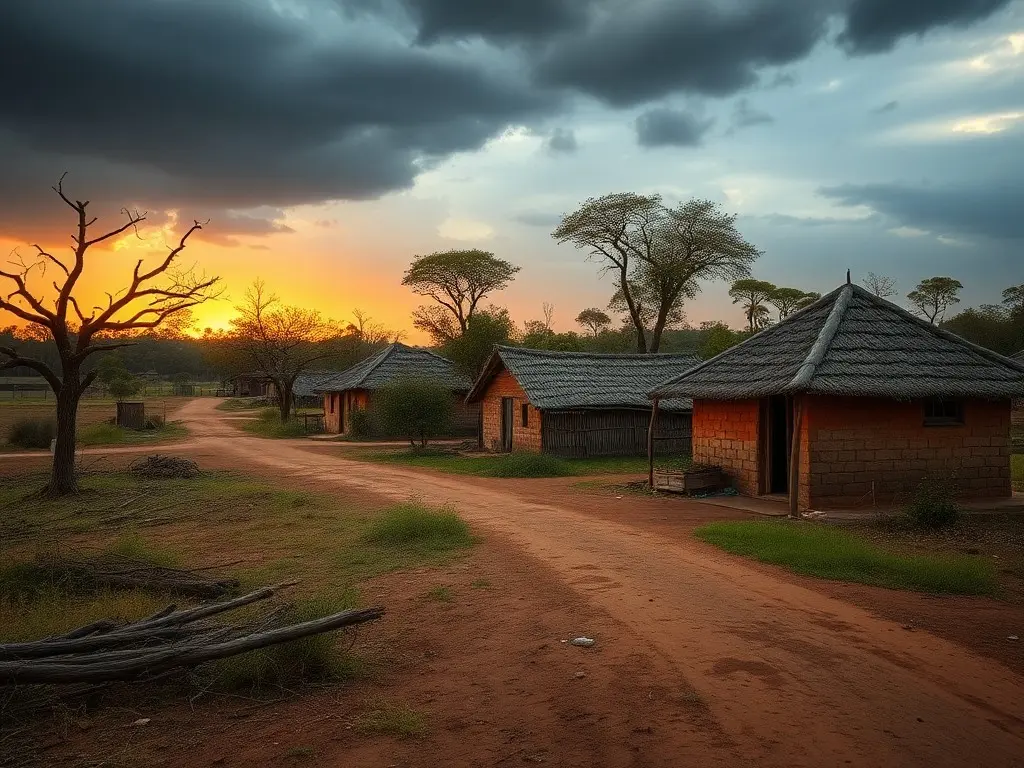
Researchers studying the aftermath of Tropical Cyclone Idai in Zimbabwe’s Chimanimani District found survivors suffered long-term emotional, cultural, and social trauma beyond material losses, including grief, displacement, and mental health struggles like PTSD. The study highlights that recovery from climate disasters extends far beyond rebuilding infrastructure, affecting identity, relationships, and emotional well-being irreparably.
Scientists researching climate disaster impacts in Zimbabwe’s Chimanimani District uncovered deep, lasting effects of Tropical Cyclone Idai beyond physical destruction. The cyclone, which struck for five days in 2019, killed hundreds, displaced thousands, and caused over US$2 billion in economic damage across Zimbabwe, Mozambique, and Malawi. However, survivors described profound non-economic losses, including grief over lost family members, chronic injuries preventing work, and widespread mental health issues like anxiety and post-traumatic stress—problems rarely addressed in recovery efforts. Interviews with survivors, local leaders, and aid organizations revealed four key types of non-economic loss: trauma from sudden nighttime floods that trapped families in collapsing homes, displacement from ancestral lands, and a shattered sense of belonging. One survivor recounted losing two children, stating their grief had stalled progress, with lingering memories preventing forward movement. Even two years later, many still faced physical and psychological barriers to rebuilding their lives. The study emphasizes that recovery from climate disasters is not just about rebuilding homes or infrastructure but restoring lives, cultural ties, and emotional well-being. Survivors spoke of losing sacred sites, community bonds, and their sense of place, with some expressing doubt that life would ever return to normal. Government and aid organizations focused primarily on material recovery, often overlooking these deeper, unquantifiable losses. Chimanimani District, already vulnerable, saw entire communities wiped out, with hundreds missing and thousands displaced from generations-old lands. The cyclone’s destruction—turning mountains into mudslides—exposed gaps in disaster preparedness and recovery strategies. Researchers argue that addressing emotional and cultural trauma must be central to climate resilience efforts, not an afterthought. The findings, published in academic research, challenge traditional disaster recovery models that prioritize financial metrics over human experiences. Survivors’ accounts underscore that climate disasters reshape identities, relationships, and futures in ways that cannot be measured by dollars spent or homes rebuilt. The study calls for integrated approaches that acknowledge these hidden losses as critical to sustainable recovery.
This content was automatically generated and/or translated by AI. It may contain inaccuracies. Please refer to the original sources for verification.