Climate extremes are changing how monkey societies survive
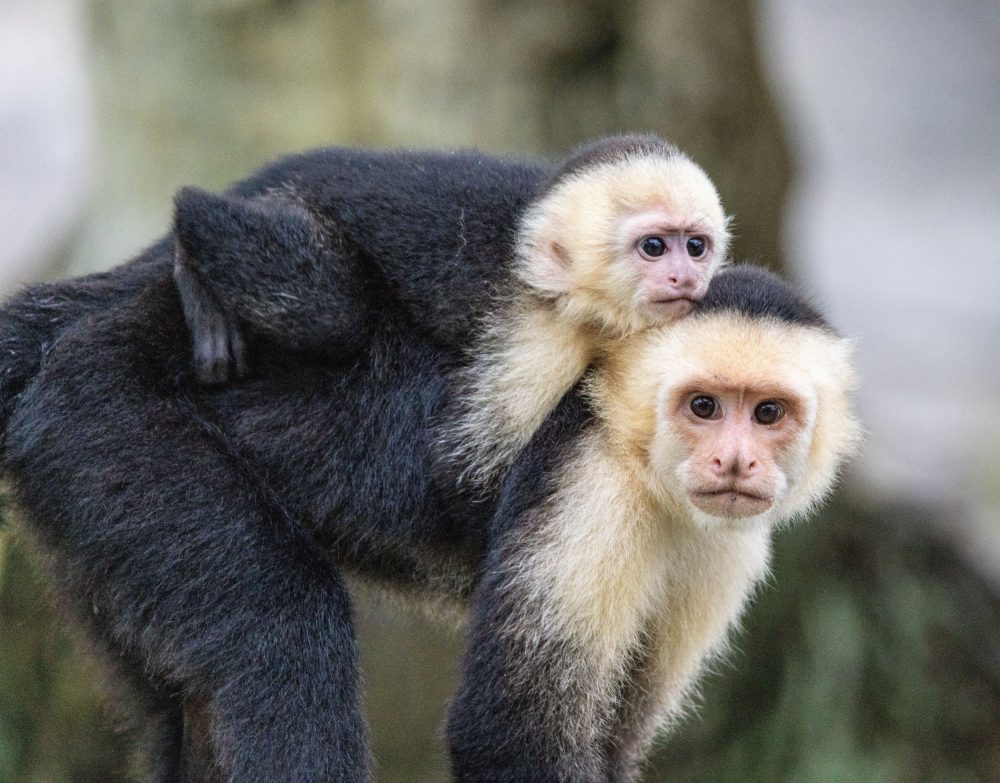
A 33-year study by the Lomas Barbudal Monkey Project found that climate extremes reshape white-faced capuchin monkey group dynamics in Costa Rica, with larger groups using broader territories to offset internal competition rather than traveling farther daily. Dry seasons force groups to concentrate near water sources, increasing conflicts and territorial expansion by dominant groups.
A long-term study of white-faced capuchin monkeys in Costa Rica’s dry forests reveals how climate extremes are altering their social survival strategies. The Lomas Barbudal Monkey Project, tracking 12 groups since 1990, found that larger groups do not travel farther daily to find food but instead rely on broader, varied foraging areas to compensate for internal competition. Researchers observed that daily movement distances remain consistent across group sizes, challenging prior assumptions about group behavior. During dry seasons, water scarcity and limited food force monkeys to gather near rivers, increasing conflicts and territorial disputes. Larger groups often dominate smaller ones by expanding into their ranges, while smaller groups exploit gaps left by territorial avoidance between equally sized groups. This dynamic shifts as resources concentrate in shrinking forest zones, with larger groups securing better access to water and fruit sources. The study, led by Susan Perry of UCLA and involving the Max Planck Institute of Animal Behavior, highlights how climate-driven seasonal changes reshape group interactions. Observers followed monkeys for up to 13 hours daily, recording feeding habits and movements without disturbing them. The findings underscore the complexity of group survival, where climate conditions override traditional competition advantages. Key insights include the energy efficiency of larger groups—avoiding daily exhaustion by spreading foraging over wider areas—and the role of dry seasons in intensifying competition. The research suggests that climate disruption is not just a background factor but a primary driver of social and spatial behavior in capuchin populations. This long-term dataset provides critical insights into how wildlife adapts to environmental pressures.
This content was automatically generated and/or translated by AI. It may contain inaccuracies. Please refer to the original sources for verification.