Climate Risk Is Becoming a Major Factor for Homebuyers
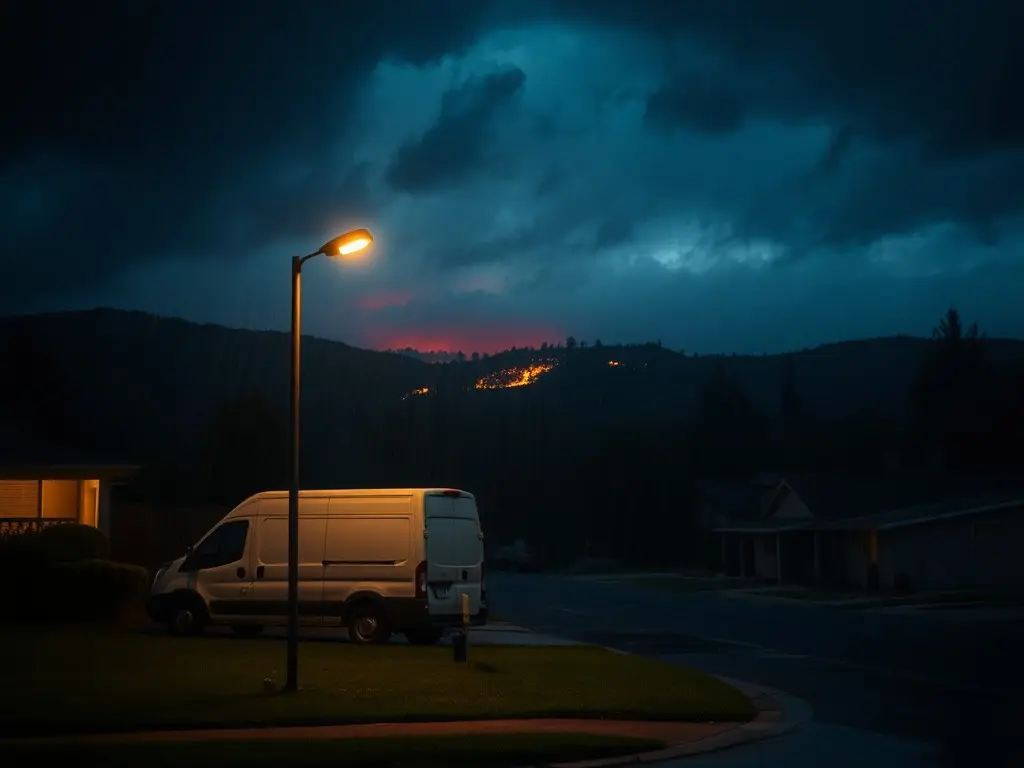
A study by Intercontinental Exchange (ICE) reveals climate risk is now a major factor for 70-80% of U.S. homebuyers across generations, with homes in high flood-risk ZIP codes appreciating 0.2–0.4% slower annually, totaling $31 billion in lost value. Extreme climate events like wildfires and hurricanes are driving up insurance premiums, leaving many homeowners underinsured or unable to secure coverage, threatening housing affordability and mortgage stability nationwide.
Climate change is reshaping the U.S. housing market, with nearly 80% of Gen Z and Millennials—and 70% of Gen X and Boomers—prioritizing climate risk when buying homes, according to a new study by Intercontinental Exchange (ICE). Homes in high flood-risk ZIP codes have appreciated 0.2–0.4% slower annually over the past decade, equating to roughly $31 billion in lost residential real estate value nationwide. Regional concerns vary slightly but remain high, with 84% of Midwest buyers, 78% of Western buyers, and 73% of Southern buyers factoring climate risk into their decisions. The financial impact extends beyond home values. After Hurricanes Helene and Milton, around 40,000 homeowners became delinquent on their mortgages, highlighting the direct link between climate disasters and housing instability. Insurers are struggling to recover from rising costs tied to wildfires, hurricanes, and tornadoes, leading to steep premium hikes and coverage shortages. In California, a couple affected by recent wildfires found no insurers willing to offer adequate coverage, forcing them to rely on a mortgage lender’s limited policy. The insurance crisis is exacerbating housing affordability issues, particularly for middle-class homeowners. State regulators have approved premium increases to offset climate-related losses, but many homeowners—especially in high-risk areas—are left underinsured or uninsured. This trend raises concerns about the long-term stability of homeownership, a cornerstone of the American middle class. Experts warn that if insurers tighten policies in regions prone to flooding, hurricanes, or wildfires, the slowdown in home price appreciation could worsen. The data suggests climate volatility is already altering buyer behavior, with younger generations leading the shift toward climate-conscious real estate decisions. As extreme weather events become more frequent, the housing market’s resilience—and the financial security of homeowners—will face growing challenges.
This content was automatically generated and/or translated by AI. It may contain inaccuracies. Please refer to the original sources for verification.